After five beautifully shocking days on Rote, I had a week, a Honda Beat, and a mission to explore West Timor. I didn’t know what to expect, and to be honest, after the challenges of Rote, I set my expectations low – especially in terms of road conditions, the worthiness of the attractions, and food. I don’t know if it’s just me, but when I see a new place from the plane before landing, the first impression can highly influence my interest and excitement. Timor looked quite average and boring, but it turned out to be something entirely different.
West Timor (with its 14732.35 km2) is large enough to be divided into hotspots from which you can easily access places of interest. Let me give you some insight into the main ones.
KUPANG
Last visited in June 2026
While Rote is a secluded micro-paradise, Kupang is a proper Indonesian regency with serious waste issues. It always breaks my heart to see how disrespectful and ignorant people are towards nature. What I hate about traveling is that I also can’t be as eco-friendly as I’d like – sometimes there’s no other option than eating or drinking from single-use plastic. I try my best to be mindful and find sustainable options, but I’m still producing a lot more trash than usual.. and I’m not happy about it. Unfortunately, Indonesia is still behind when it comes to conscious approaches to the topic, although more and more hotels at least offer water refill stations instead of promoting tiny bottled waters. But hey, in case you missed the news, we’re going to die from our own shit anyway.
Kupang is the capital of East Nusa Tenggara and the largest city in West Timor (not Timor-Leste). And that’s all: you arrive, sort things out, and then head to more intriguing destinations.
There are many scooter (and car) rentals. Before, I could only choose between a Beat and a Beat (I’m too tall for that mini hog), but now there are more options. Still, I highly recommend checking the reviews and contacting the rental in advance.
The city is also packed with accommodation at all levels – from cheap kost to East Indonesian (IYKYK) luxury hotels. Again, check the reviews and actual photos, because you can be catfished easily. I can recommend Cozy Stay for budget, or Commodious for mid-range.
Kupang surprised me with its food and coffee. And maybe that’s the reason why I lowkey like this dirthole. I found amazing places where I spent my days eating, drinking, working, and thoroughly enjoying it.
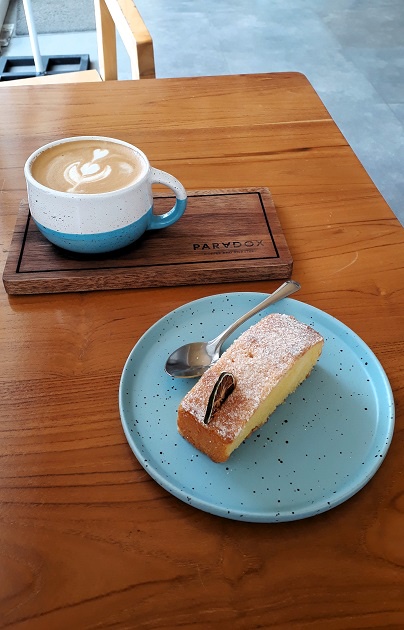
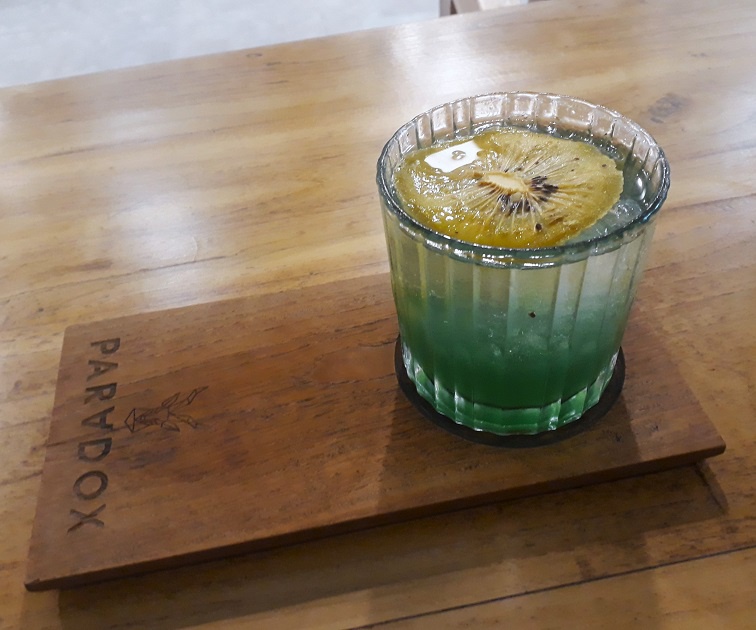
- Paradox: Café and roastery with a fine selection of coffee (mainly from Flores), baked goods (the burnt cheesecake is the crown jewel), a lunch/dinner menu, and a modern coworking-friendly environment.
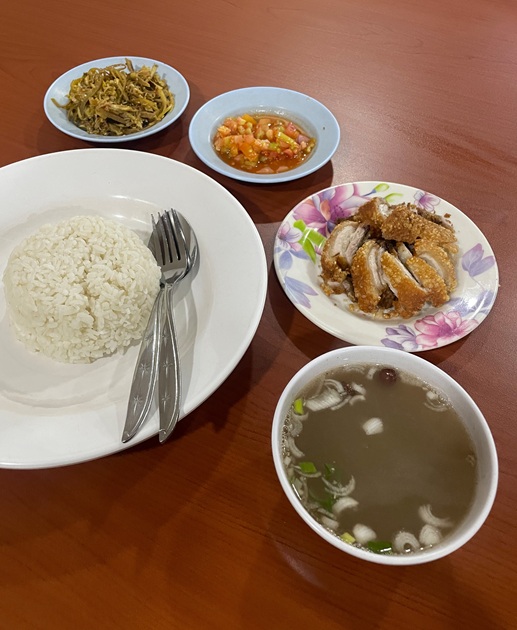
- Depot Nan Spesial Babi Tore: The crispy pork warung – I’m not even sure they serve anything else. Crunchy pork belly (babi tore) served with flavorful red bean soup (sup brenebon), and lots of sambal if you fancy.
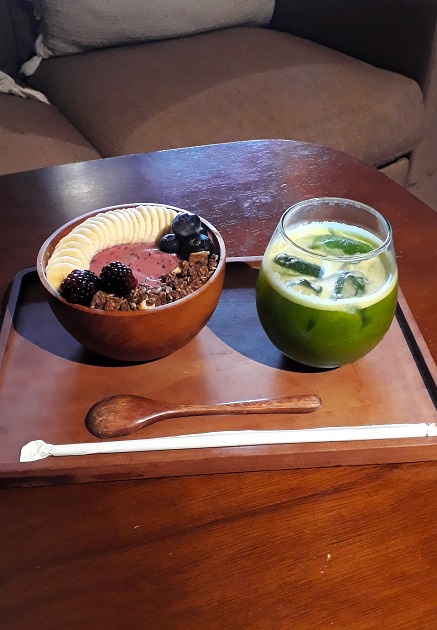
- Peekabowl: Healthy food, yummy smoothie bowls, and cold-pressed juices. Unfortunately, they closed their juice bar, but are still open for takeaways and online orders.
- Toko Kopi Maida: Cozy café in a residential area, with hidden-gem vibes, great coffee, and extensive opening hours (weekdays 07 am-10 pm).
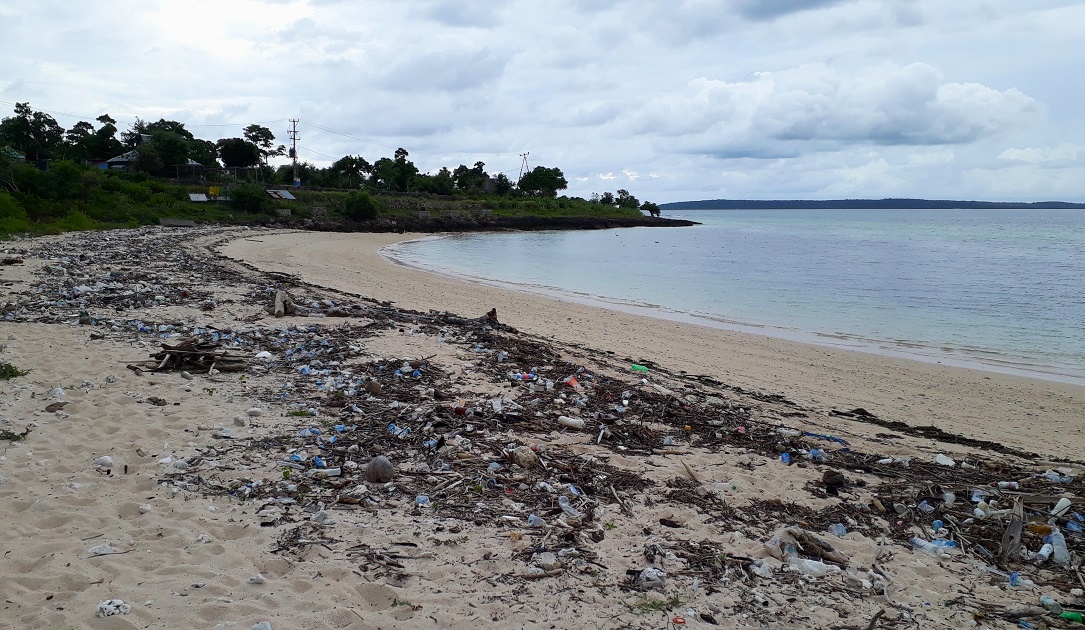
From Kupang, there are several places to visit by taking a short drive or a day trip. However, the roads can sometimes turn uncomfortable (too rocky), and trash usually obscures the view of the stunning landscapes. I’m not sure whether it depends entirely on the season or the people, but arriving at the spots felt bittersweet.
Expectation vs Reality (I think the problem is easy to see.)
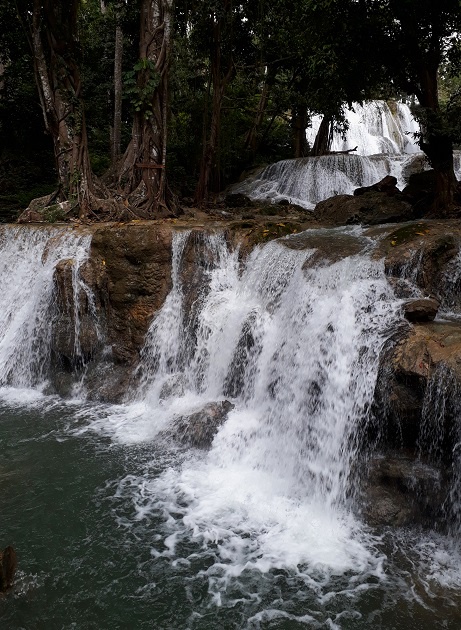
I only chased one waterfall in the area, Air Terjun Oenesu, and it didn’t disappoint. I also wanted to visit Air Terjun Tesbatan but couldn’t find the way – although the villagers tried to help me, once it started pouring down, I just headed back to the city.
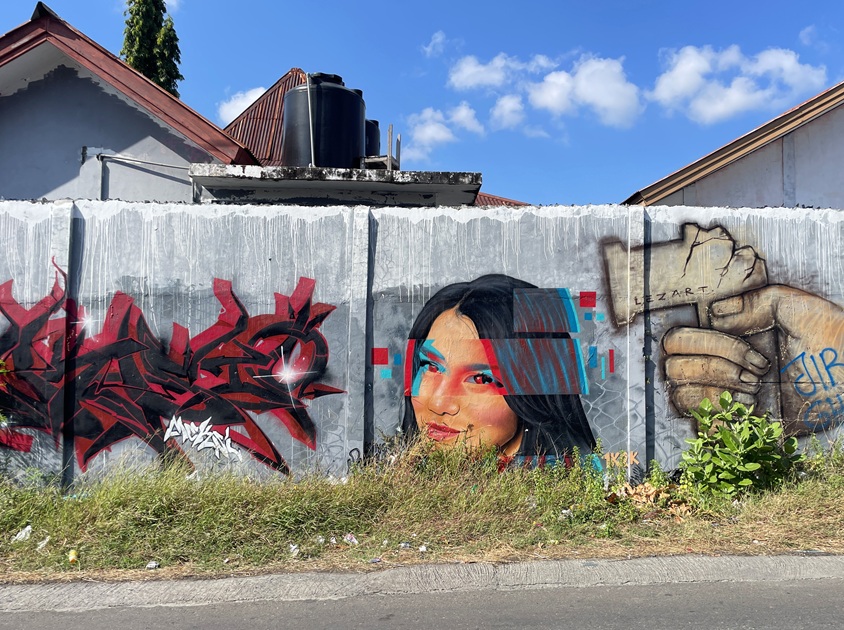
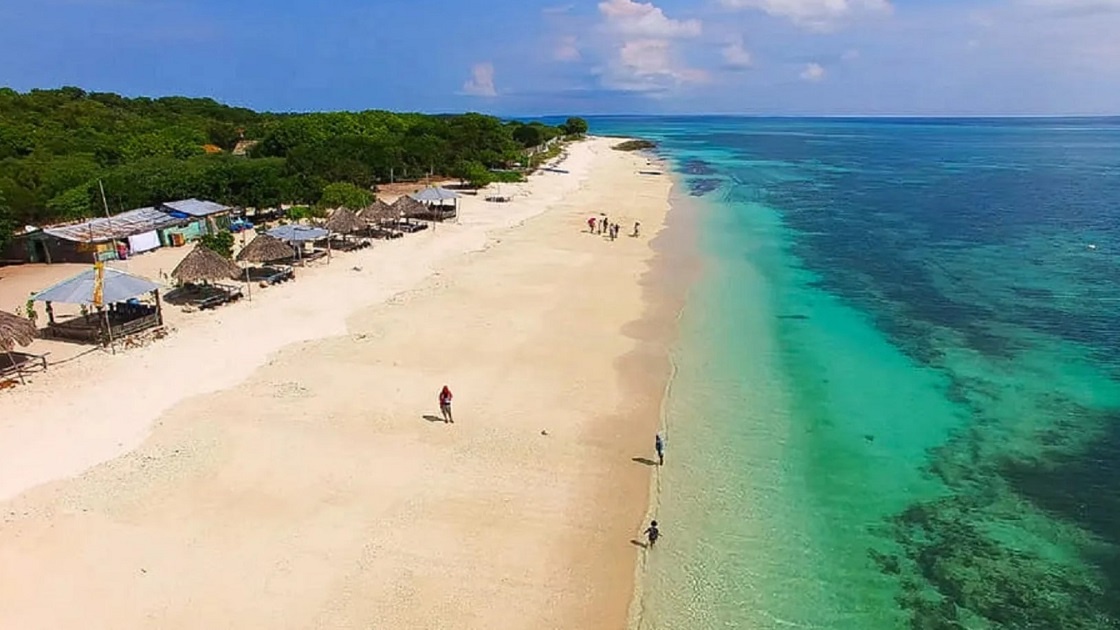
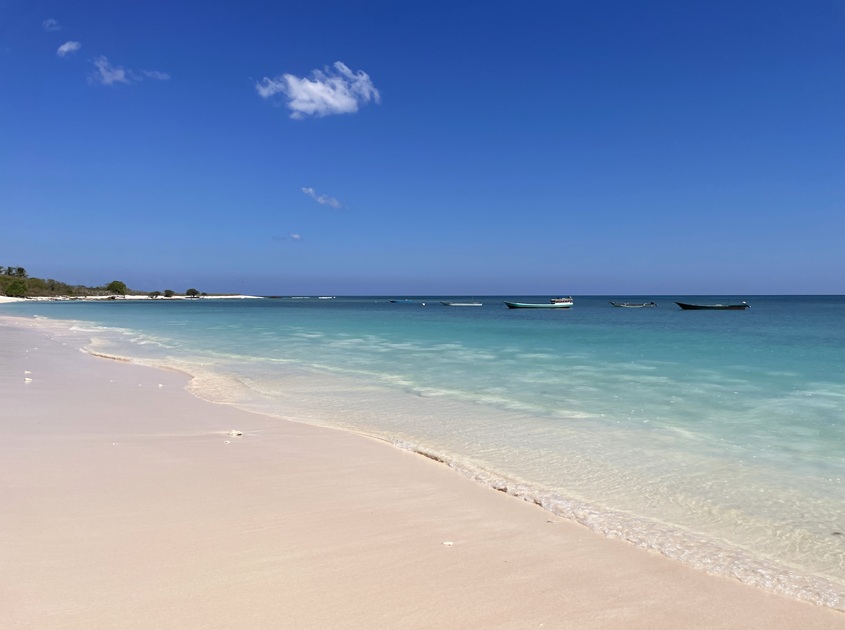
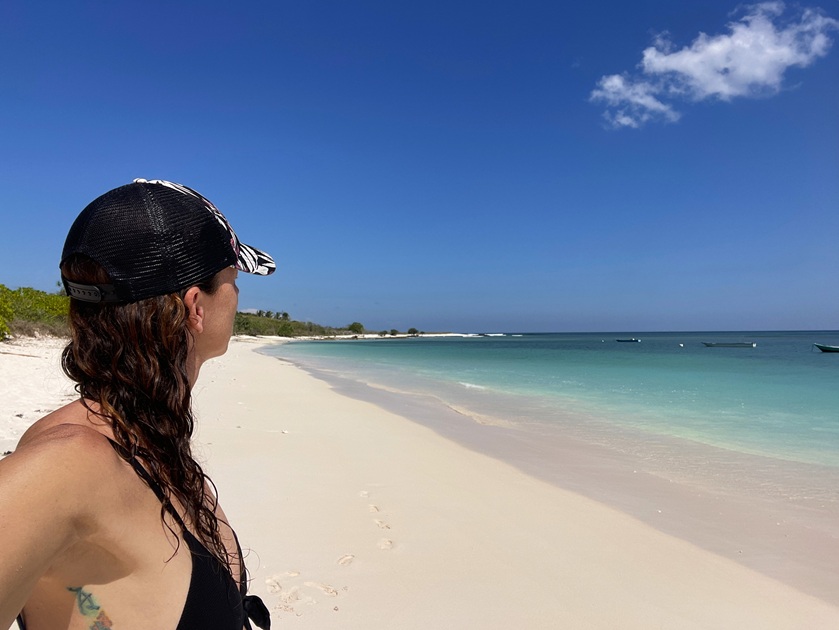
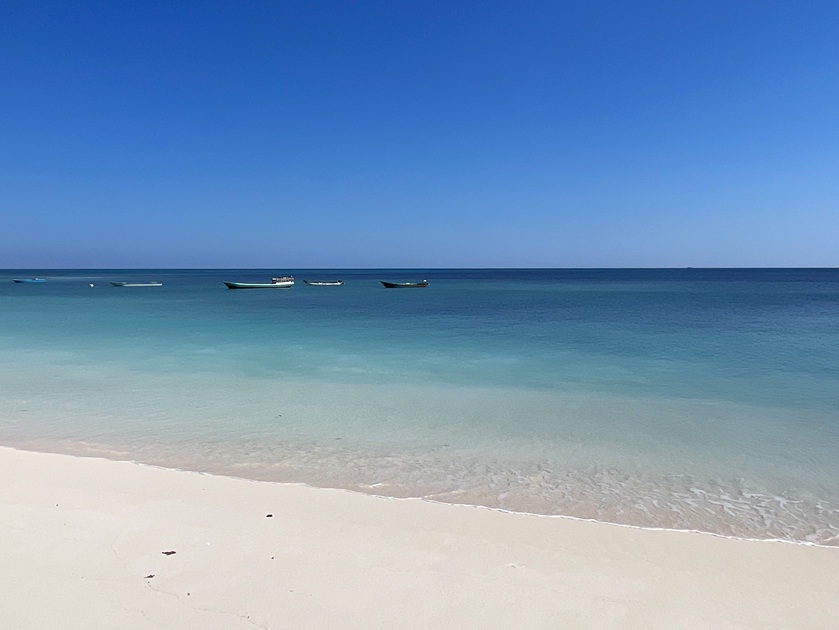
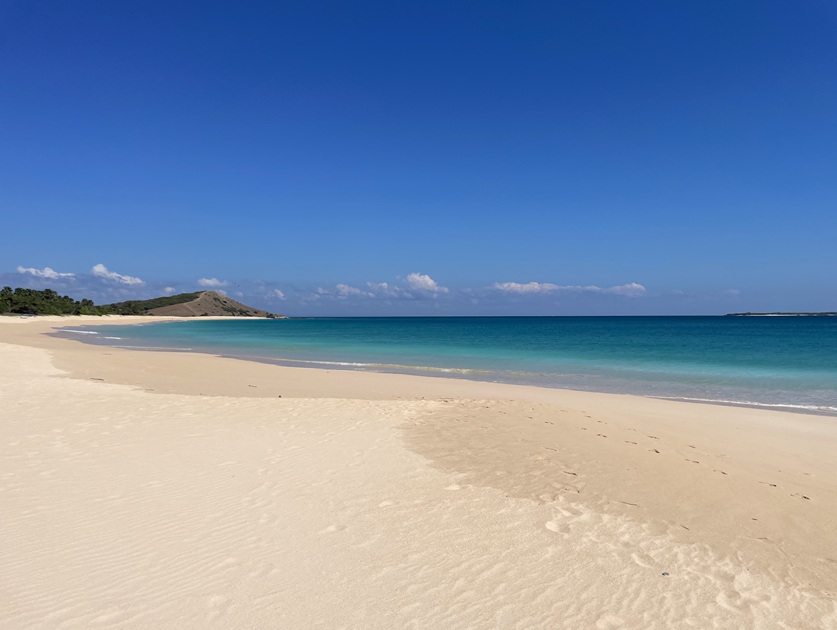
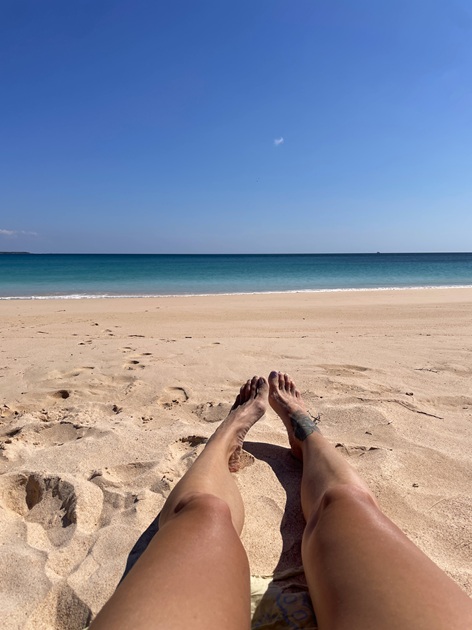
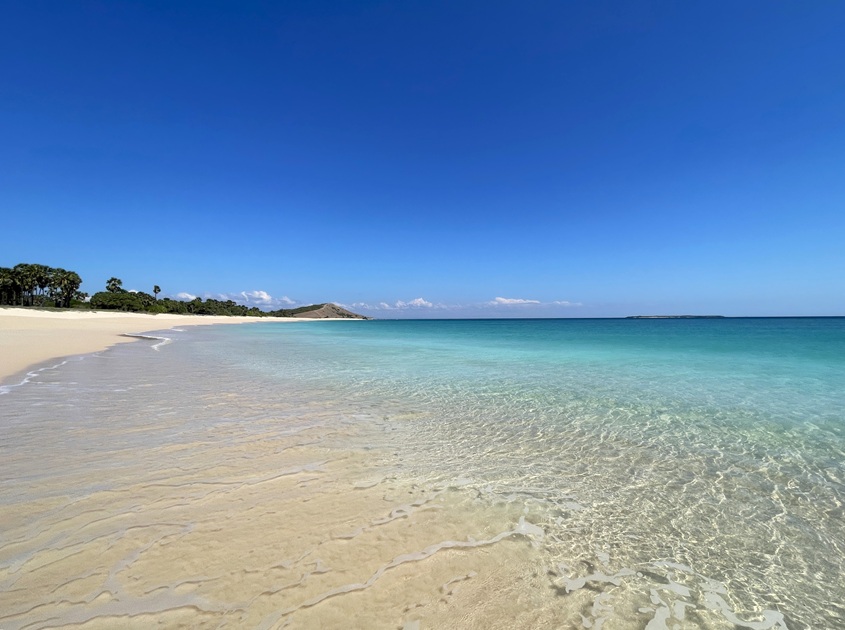
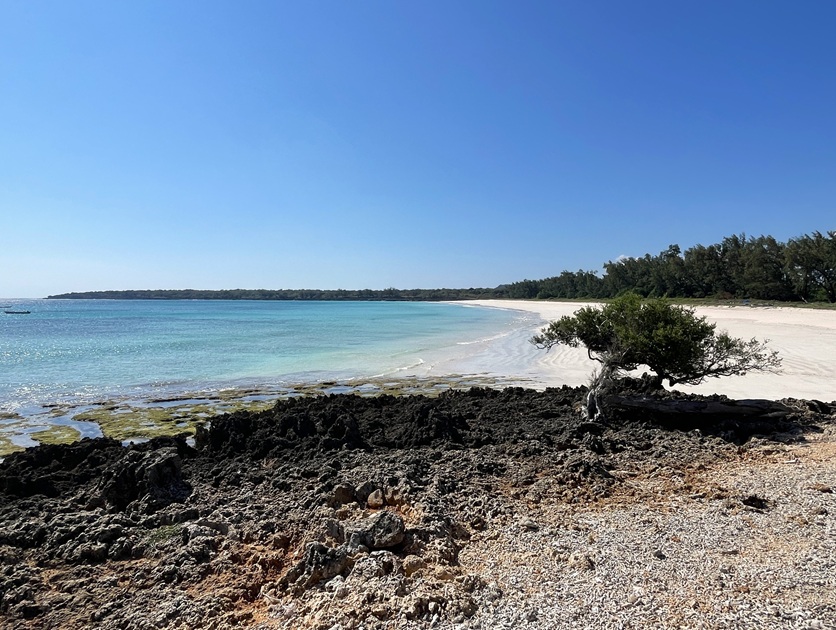
And there’s a place nearby that literally gave me one single reason to return. The first time I missed my chance to visit, and I couldn’t leave it at that. Pulau Semau is a small island 20 minutes off the shores of Kupang. I knew I was going somewhere special because I had already set my sights on it, but the reality was way beyond my expectations. I have favorite beaches all across Indonesia; not surprisingly, the outstanding ones are on the eastern side. Despite only visiting three beaches on the island because it was super hot, and driving in the sun sucked a lot of energy out of me, I truly consider this latest find the ultimate No. 1 in the country.. and that’s a bold statement.
I don’t even know what to say, so I’d better just show them, although the pictures are too flat to capture what I saw with my own eyes when I stepped onto the shores.
Practical details to get there:
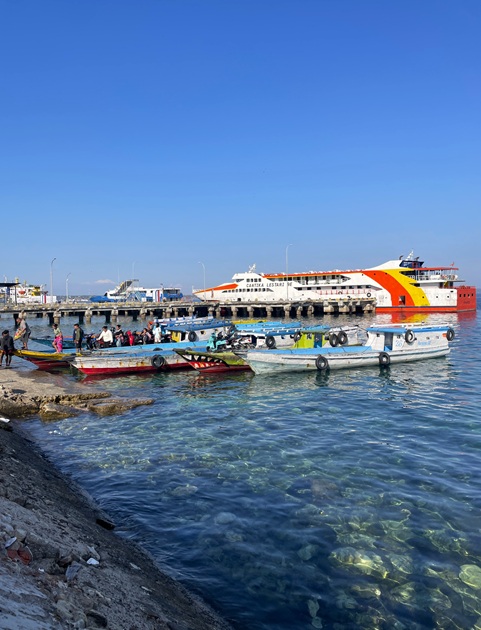
- Check the daily ferry schedule on the ASDP’s Instagram. If there’s no ferry, don’t panic, because local fishermen’s boats still run (obviously in safe weather and sea conditions).. and watching the scooters being loaded and unloaded is an experience in itself.
- Head to Tenau Harbour, where they’ll point you toward the boats.
50k IDR for a shared boat – uncertain departure, as they always try to fill it up. (The ferry costs around 40k/person with a scooter.)
100k IDR for a charter – leaves even with just one passenger. - You don’t go to Semau on foot; you cross with a scooter. However, the eastern side of the island already has decent roads, while the rest is mostly white gravel, rocks, and potholes, so you have to be really careful. Some riding experience is definitely recommended.
- There are a few camps and simple rooms to sleep in if you feel adventurous and want to stay overnight to enjoy more of the island. If you choose this, prepare everything and take it with you from Kupang.
SOE
Soe is out of interest; you only come here because it’s halfway between east and west. To be honest, I don’t like this town, and I also don’t recommend staying at Dena Hotel (I spent one night there, which was pretty bad), although I’m not sure there’s any better option.
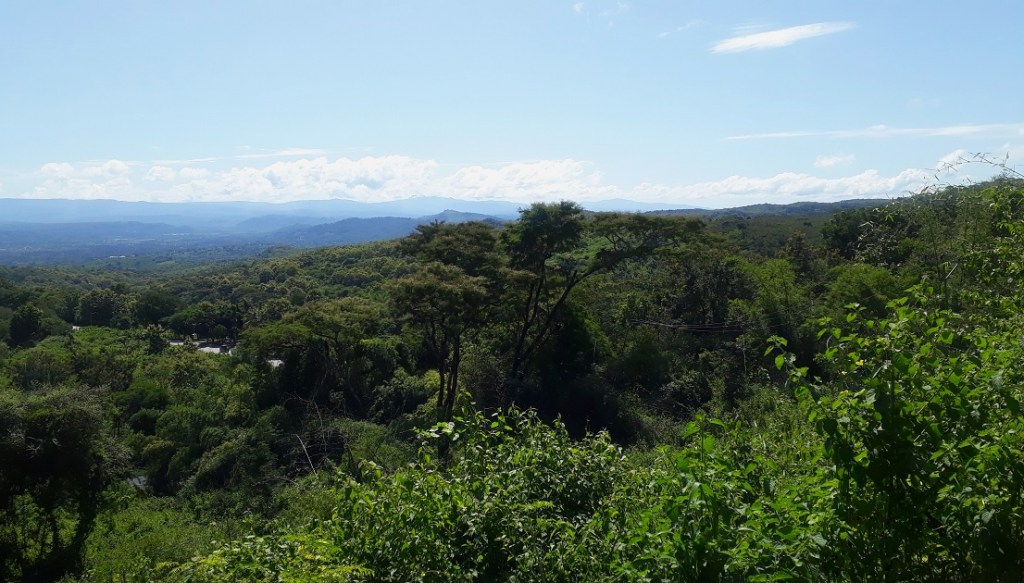
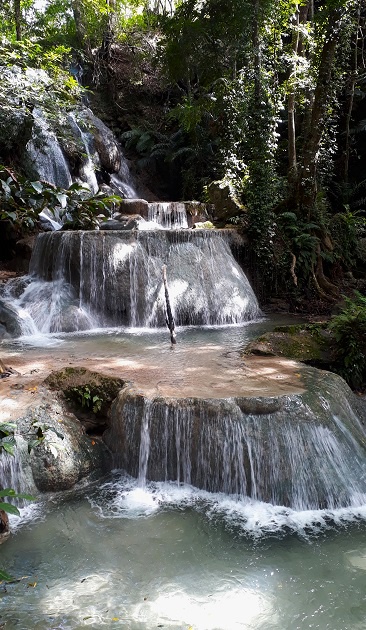
Around town, I only visited Air Terjun Oehala and the viewpoint close by. Both were gorg, so the whole hilly region with its waterfalls and hiking trails must be stunning.
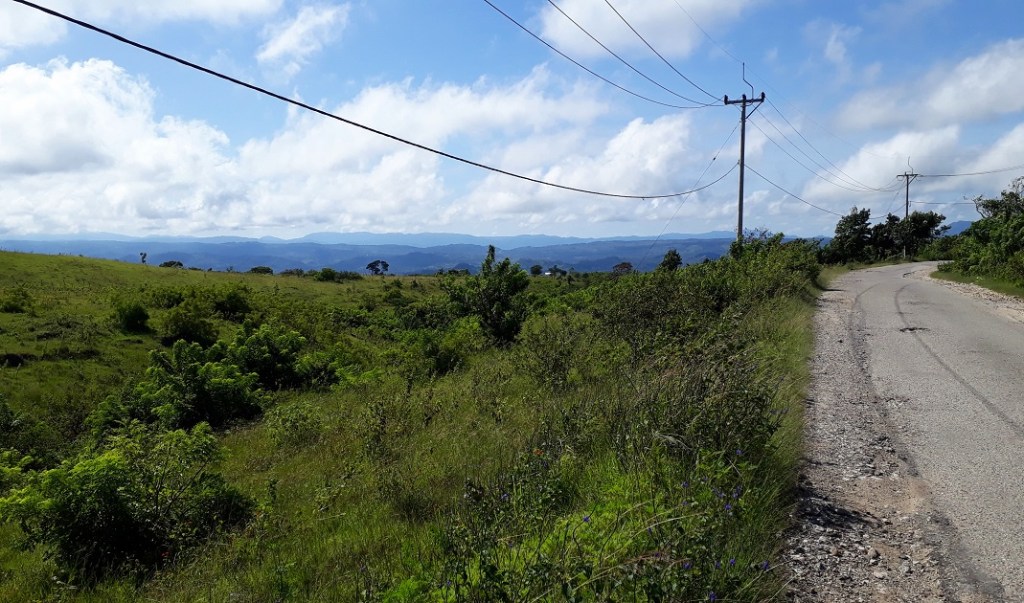
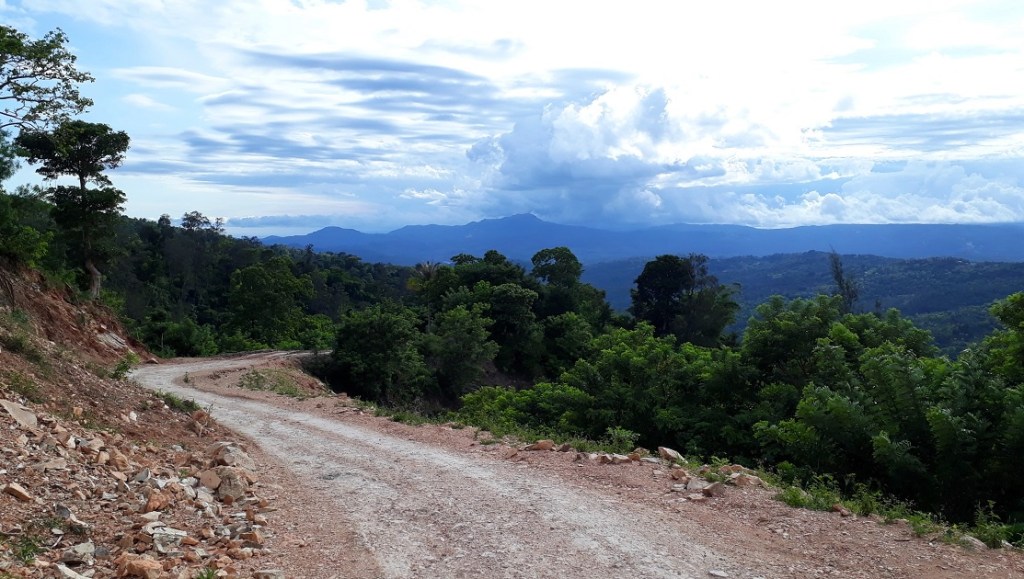
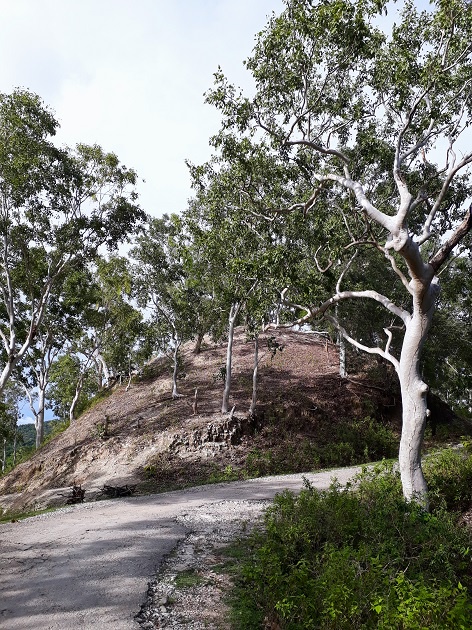
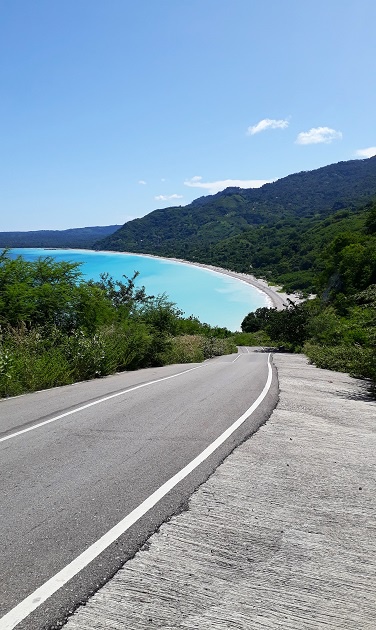
In Soe Regency, the real deal is the coastline. Roads in Timor range from okay to excellent, but if you’re looking for an adventure, challenge, and incredible views, get off the main roads. I highly recommend this one between Soe and Kolbano:
This particular road sometimes looked worse than it actually was, and driving here was one of those moments where I was thankful for the small size of my hog. But no complaint, it was worth the effort in the end, and I immediately earned the respect of the locals when I appeared (as a bule) on the unmarked roads (I like to shock locals).
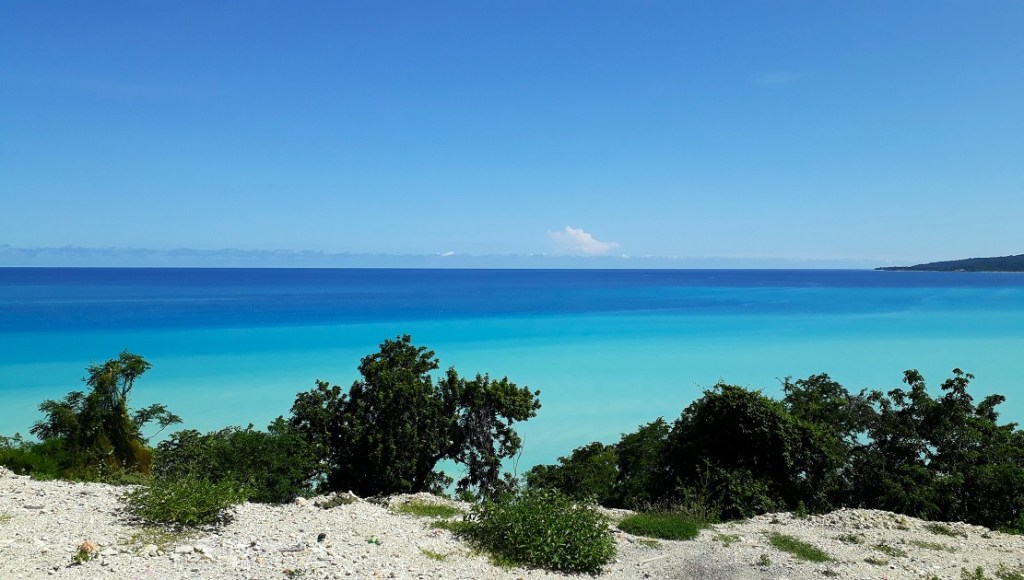
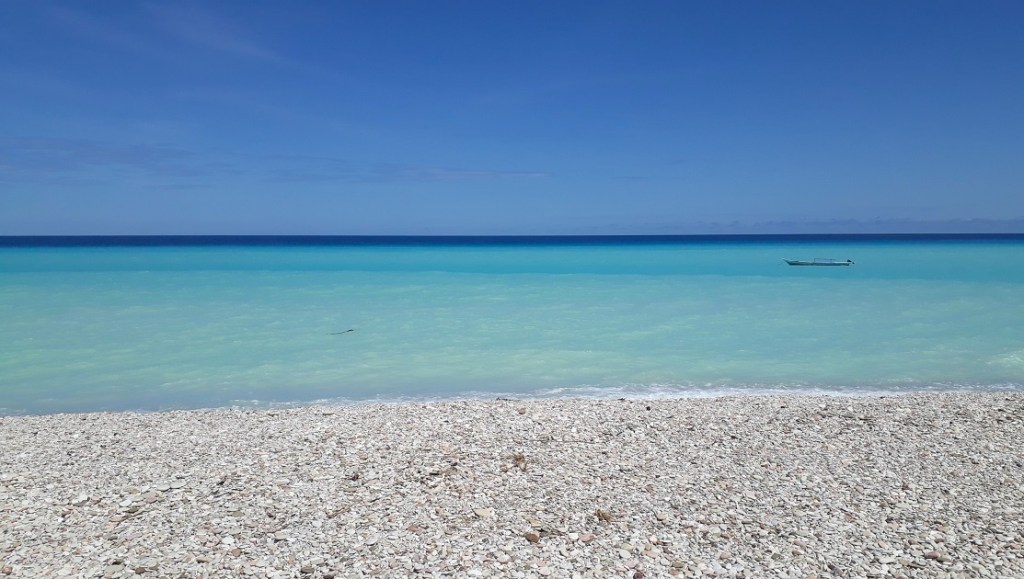
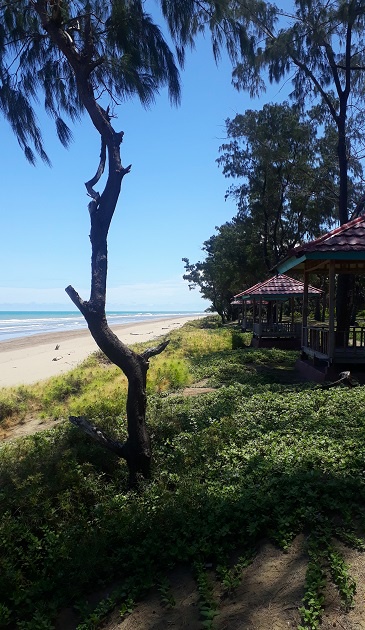
Kolbano and Oetuke are definitely the two highlights. Words seem poor to describe the view; I was blown away and couldn’t believe these nofilter colours. By the way, Oetuke is Indonesia’s famous pebble beach, where you can collect some incredible pieces.
Another surprise (I lost track) was the people. If I had to describe them – and I could be completely wrong – I would say that their appearance falls somewhere between an average Indonesian and a Papuan. And they chew pinang, which I’ve only seen in Papua. They have their own languages (at least 14), and it’s a bit hard to understand them.. especially when their mouths are full of betel nuts. They seemed shy around foreigners and were not loud or offensive at all.
My travels are not about immersing in culture and bloody history (people in Indonesia live for the wars) but exploring the outdoors. I’m not a person who likes visiting showcase towns and attractions – you know, the kind where a small village is built or designated to show tourists how people used to live (or still live). I find this like visiting a zoo; artificial and awkward and more about money (call it donations) than authenticity. Anyway, if you’re interested, visit Benteng None, where you can learn about Timorese traditions, the details of preparing for inter-village wars, and the cult of the betel nut.
ATAMBUA
Although I loosened the self-pushiness on Rote, I found myself a mission in Timor. While scrolling the map, I discovered a place deep in the middle of the island, near the border. Considering the time on my hands, the mini hog, the distance from Kupang, the unknown road conditions, and my already tired body (from driving), I decided to check it out.
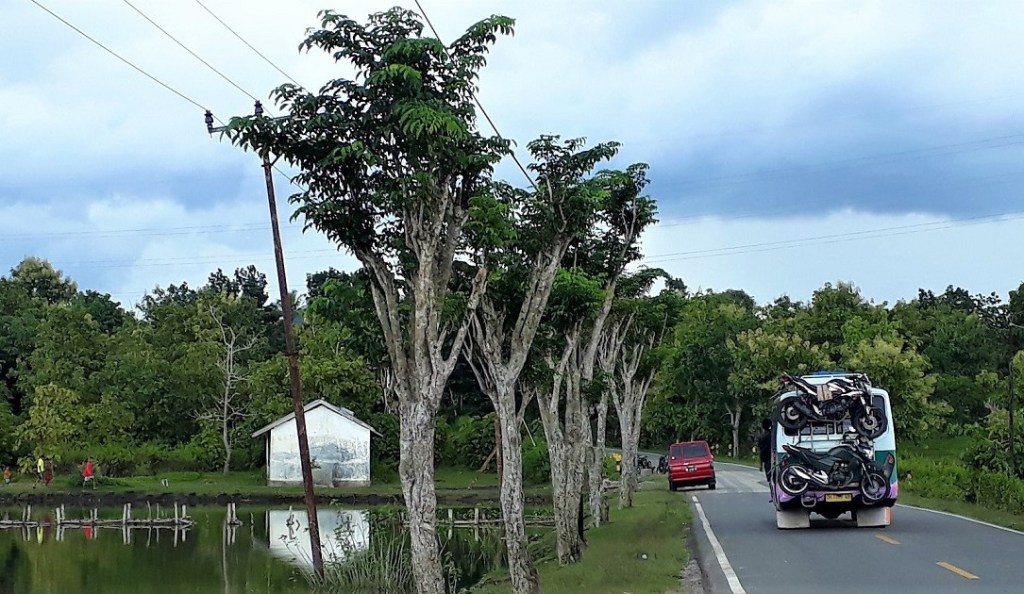
The way from Soe to Atambua is nothing special, but at least easy to drive. The roads are good, the view of the mountains and rice paddies is lovely, and the local microlets give you some entertainment, so you don’t get too bored. These busses are undoubtedly the bosses of the roads and show you some real Indonesian things like scooters applied to the back or goats travelling on the top.
A word about the local driving style: Timorese drive alright, but they have a fixation with the middle of the road (which sometimes makes overtaking challenging), and of course, they don’t have or use the mirrors.
Atambua is like a town in the middle of nowhere; it serves all basic needs (including decent coffee) while you’re travelling at the end of the world (at the end of Indonesia, for sure). However, many hotels marked on the map don’t exist (or may be somewhere else, but I didn’t chase them). I accidentally ran into Nadira Homestay, which is a newly built, quiet, comfortable accommodation with a small garden and pool. And it costs the same (350k IDR/night) as other rundown pigholes.
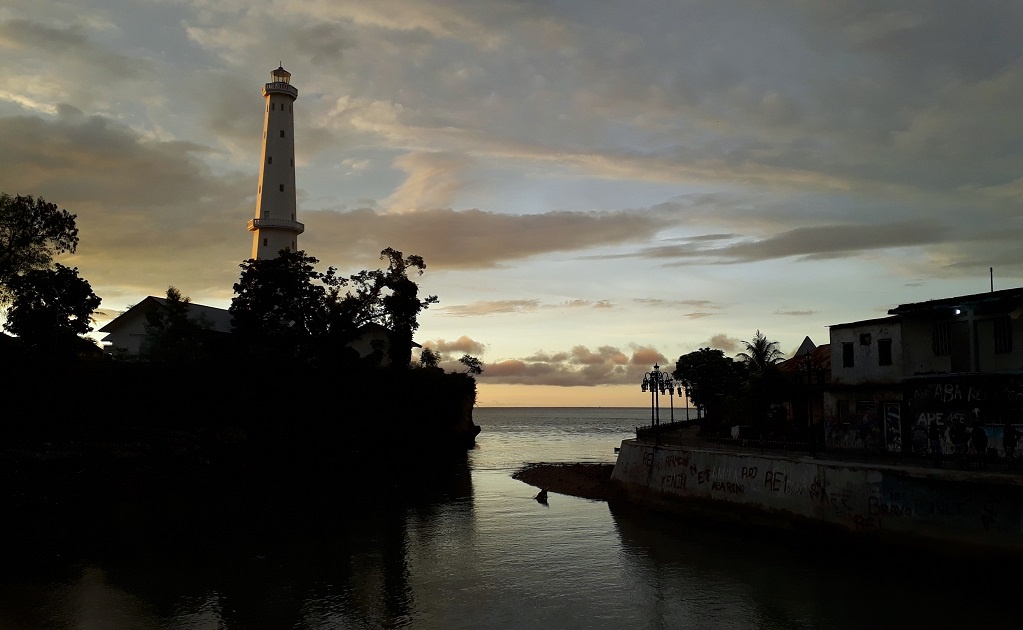
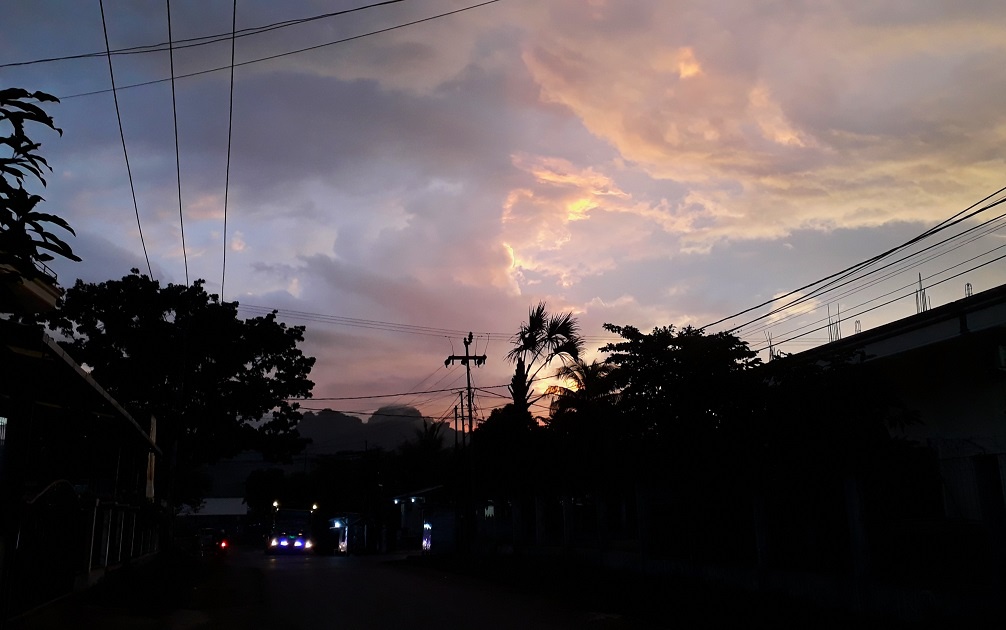
The reason for my mission was Fulan Fehan Valley. Initially, I wanted to drive up at sunset, though I arrived in Atambua right before the storm, which postponed my plans but presented with glorious colours:
The next morning was sunny, so I took off. The mountain roads are gorg, the air is super fresh, and what you find at the end is incredible; a vast savannah with free-roaming horses, cows, cacti, and waterfalls. This place is charming and mesmerizing, and looks like the Alps of Indonesia – but you have to come in the rainy season for these colours (all this green disappears very quickly when the rains stop).
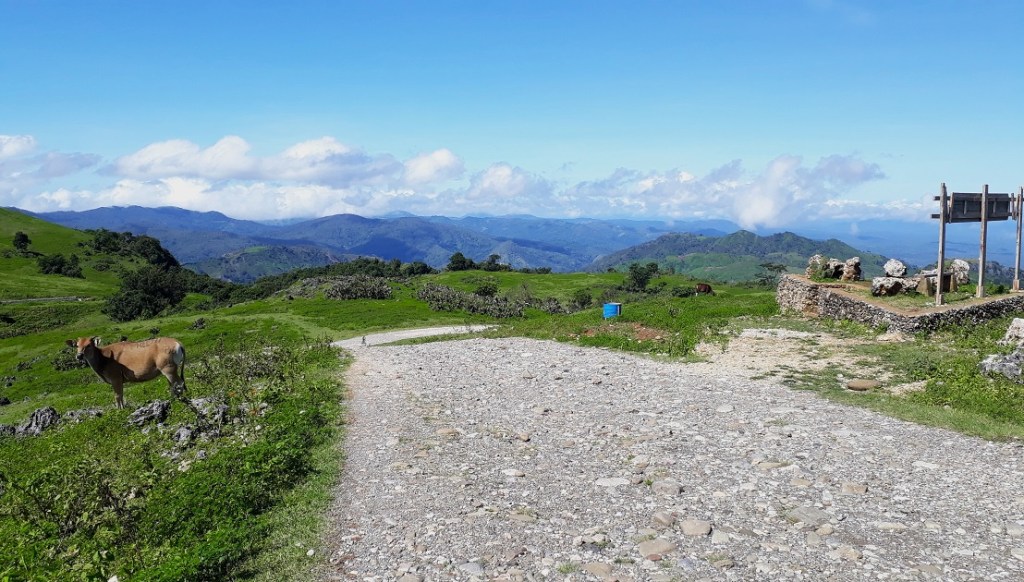
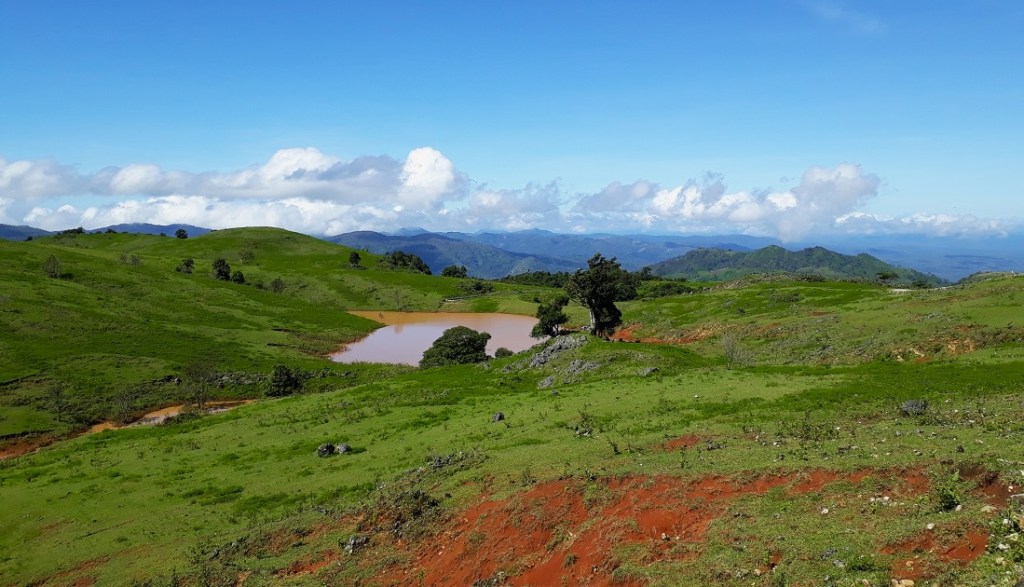
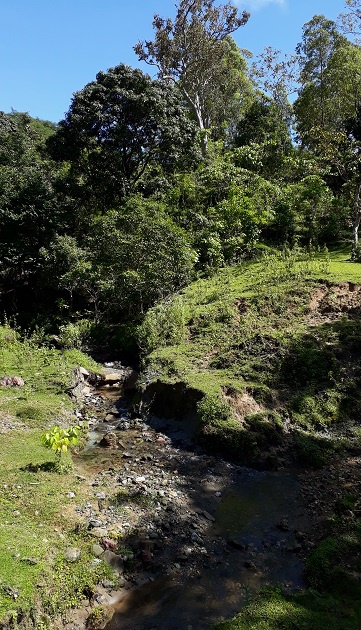
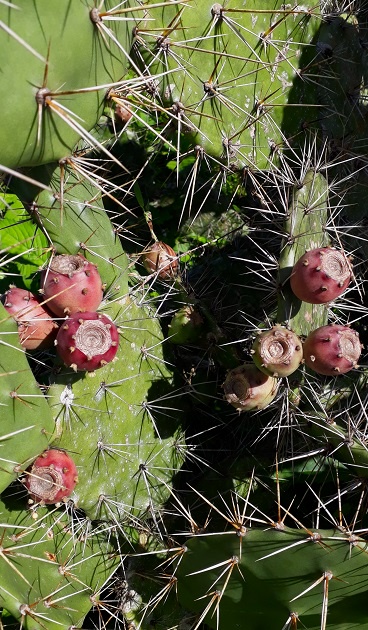
I only visited the savannah because I’d already spent 2 hours walking on the fields and still had a long drive ahead of me. I considered staying an extra day and exploring the north coast, but at that point, I had other plans in mind, so I made my way back to Kupang.
This time, I was a lemming. It was better to drive 5 hours (yes, I made it that fast) and get back to Kupang than spend another night in Soe (I think that says everything about that town). Surprisingly, it didn’t hurt as much as I assumed; the size of the Beat left a few sores on my ass and pain in my back, but it was bearable. However, after arriving, I treated myself to a well-deserved kiwi mojito and a tasty dinner.
Before leaving West Timor, I had a day of rest and contemplation. This trip was unexpected in many ways, and I still feel its impact deeply; it cleared some of my confusion, proved my strength and independence, reconnected me with my explorer spirit, and enriched my journey with landscapes of indescribable beauty.


Comment