Sumbawa is the second (big) island to the right of Bali; surfers surely have it on their radar, but it’s a lesser-known destination for casual travellers. It’s been a dot on my map for years, but I’ve always made it to Lombok and never further. This time, I was determined enough to finally touch ground.
TRAVEL ESSENTIALS
- You can fly to Sumbawa Besar and then hit the road (approx. 2.5 hours to the coastal spots), but the best option is to take the ferry from Lombok (Kayangan) and land on Sumbawa (Poto Tano). There’s no ticket counter anymore; instead, you’ll see people waving on the side of the road who will check you in and print your ticket (fixed prices, no scams in my experience). The ferry ride takes about 1.5-2 hours, and to avoid long waits, start early in the morning. (All the same applies for the return.)
Pro tip: Check the tides, swell, and weather in advance – if one is off, consider postponing the crossing. Ferries sink fast (especially lately), and no one needs that drama. - I recommend going with a bike, so you don’t have to deal with taxis and rentals. Still, accommodations can help sort those out if needed.
- Parking is blissfully free.. but everything else is a bit more expensive.
- The larger towns have ATMs, and card payments are no problem at resorts and restaurants (without additional charges). Still, it’s wise to always keep some cash on hand.
WEST SUMBAWA
While Lombok has its annoyances (that’s another post), West Sumbawa feels very low-key. People don’t bother you much; everyone is minding their own business.. or copper and gold. They’ll help if you ask, but won’t hassle or offend. Of course, there are always horror stories, but overall, curious eyes keep an acceptable distance when you are out of the surf spots, where foreigners are less common.
SAND & SWEAT
The famous breaks are Scar Reef, Super Suck, and Yo-Yo’s. Usually, what’s good for surfing sucks for beaching – and it’s no different here. I haven’t seen more hectic shore reef turbulences than in Sekongkang, and many other spots have no-swim signs as well.
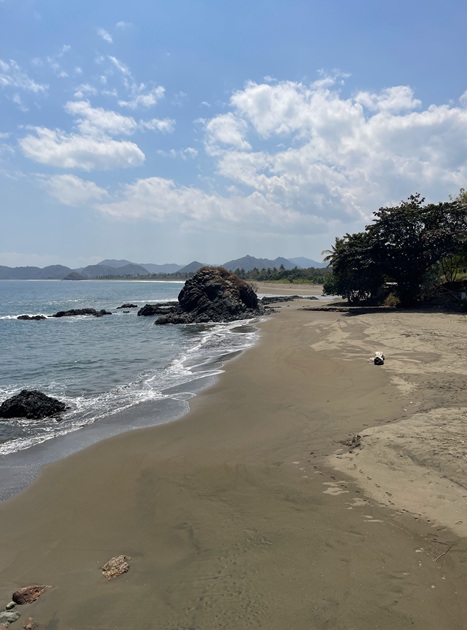
In surf season (May–September), the wind is strong, which means sand in your mouth whenever you try to chill on the beach. Luckily, the west coast is jagged, curving into protected bays where beach bums can find peace. Scar Reef is one of these heavenlike places – with calm azure water, perfect for tanning, swimming, and catching the sunset. Another great spot for the same non-surf activities is Kertasari (Pantai Glampar).
Other beaches are mesmerizing with crashing waves (especially when a swell is in) and gorgeous shades of blue (like Pantai Tropika) or simply too local (like Pantai Maluk) – personally, I don’t like putting myself on display; on the beach, I want to be left alone to enjoy myself, not entertain others.
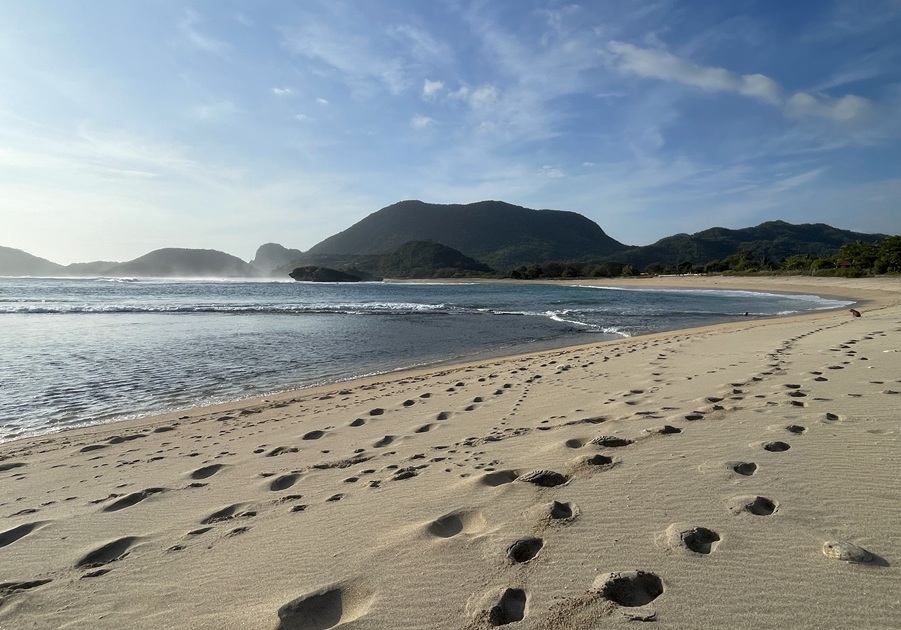
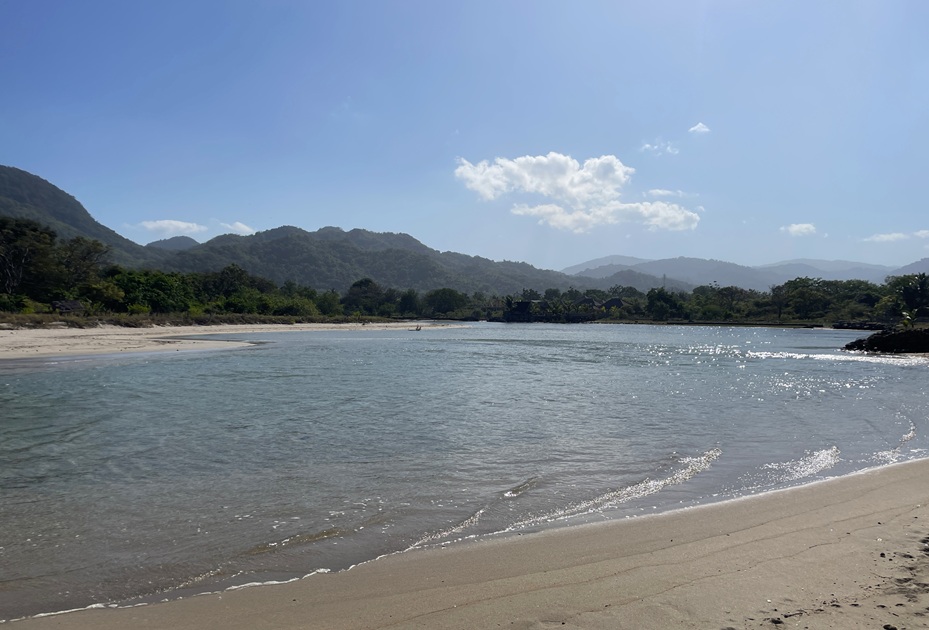
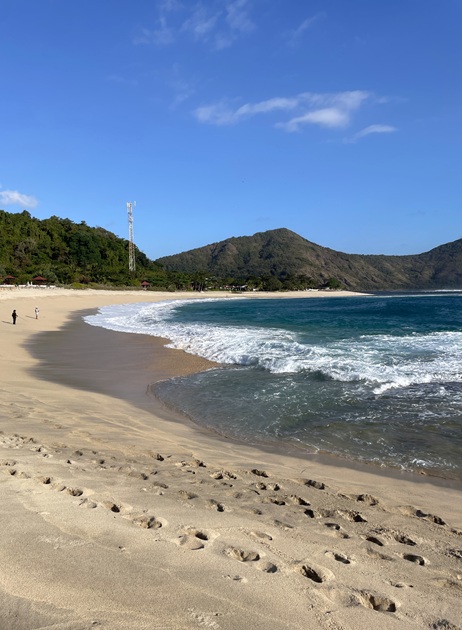


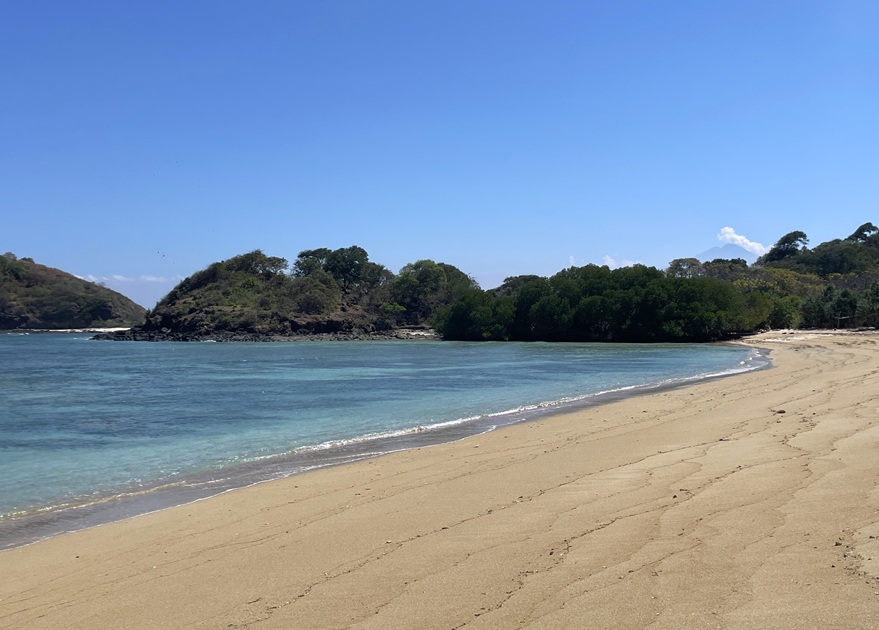

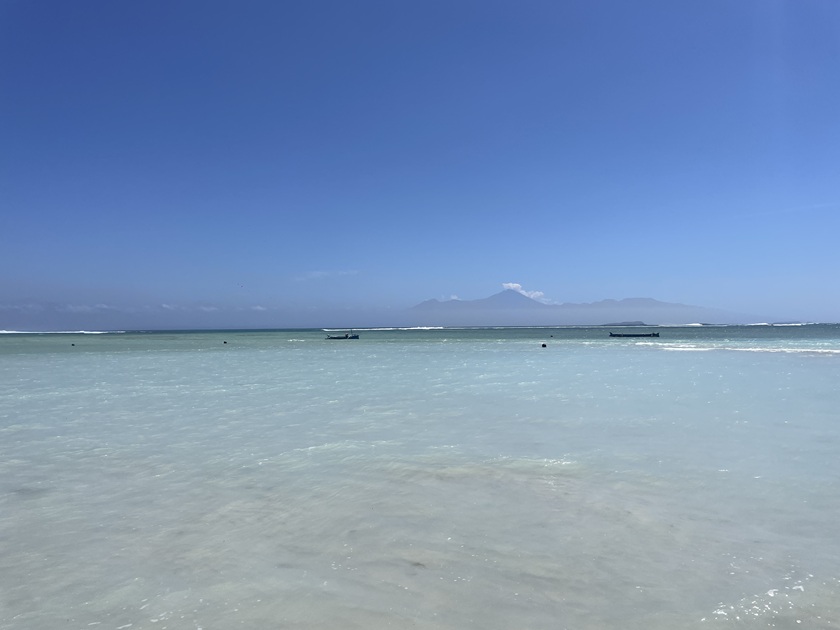
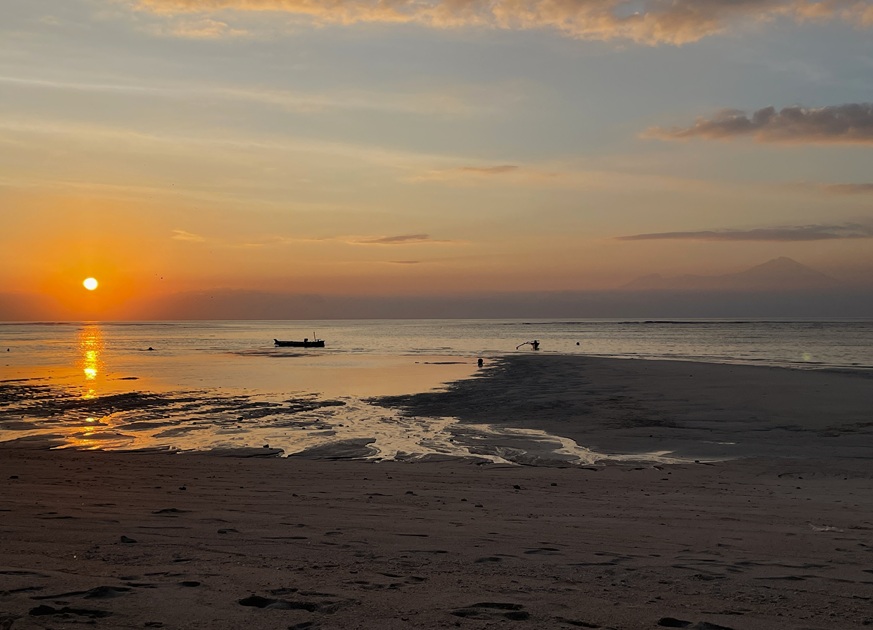
Between endless beaching – because sometimes that’s all we need for well-being – you can explore the land and sea: trek in the mountains, go island-hopping, or take a snorkel trip.
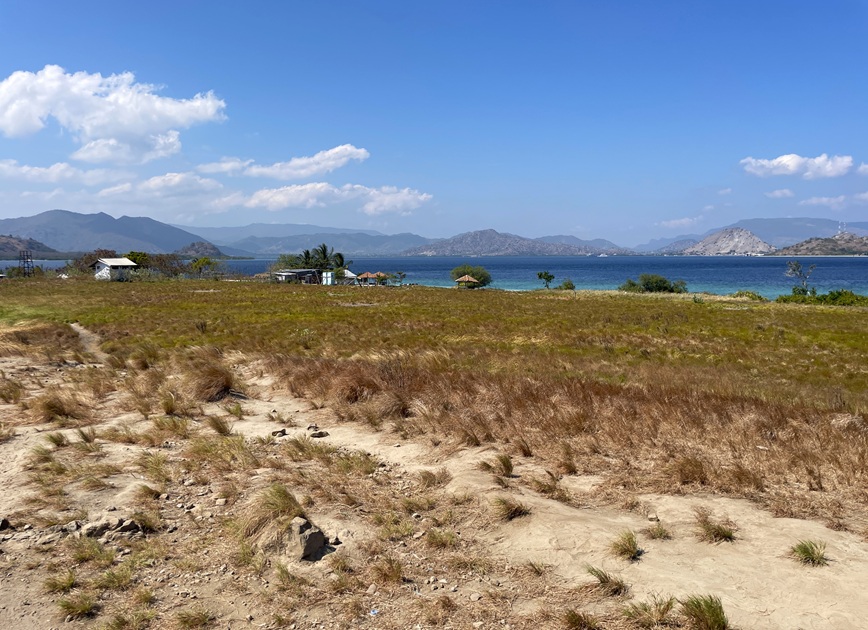
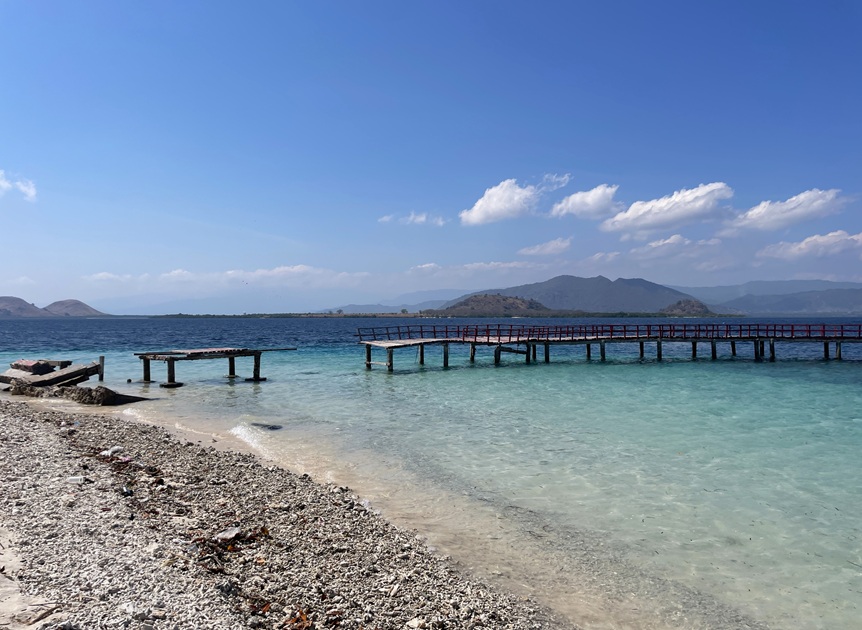
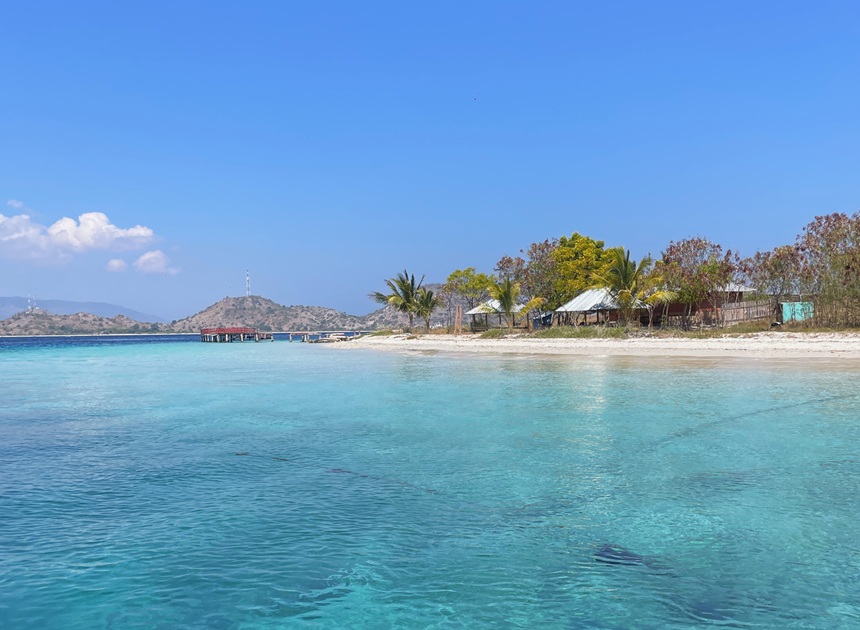
One of my oldest pins on the map was Pulau Kenawa, right next to Poto Tano (you’ll spot it from the ferry). It’s not the most mind-blowing small island, but still a must-do when you’re around. You can join a snorkel trip that stops there, too, or find a local boat. For the latter, just head to the port and ask the fishermen around, or, as in my case, go to buy a Magnum (I’m hooked on the strawberry panna) at Indomaret, answer the typical where are you going? question from a random person, and end up with a deal. The standard price is around 300k IDR per boat (not per person); I paid 200k because I was alone, and the experience was worth that much to me. The ride takes about 15 minutes, you can walk around the island in under an hour, and jump in the water to watch some fish and corals. From afar, Kenawa is postcard-perfect. Up close, the plastic kinda kills the mood. Still, being the only visitor made it a perfect morning activity, and I’m glad I added one more island to my list.
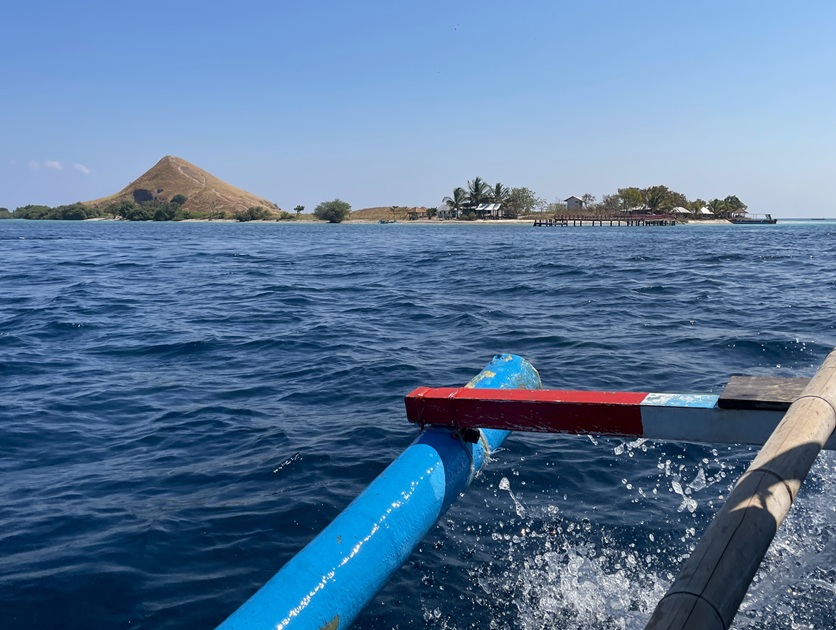

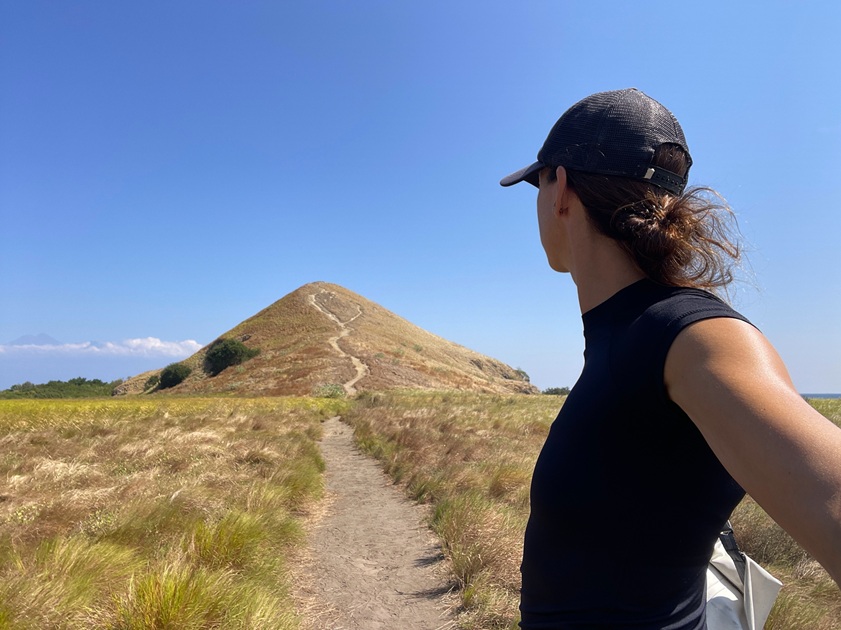
There are a few waterfalls in the area, but during my visit, there wasn’t much water falling. Since I have a spoiled, rich waterfall history, I only go if there’s a huge reward waiting. It says it all that I didn’t go.
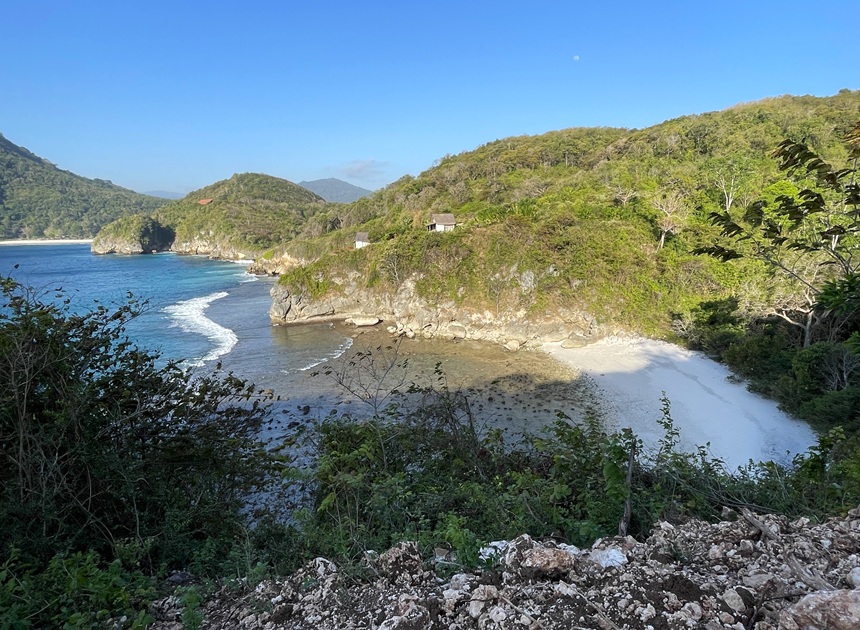
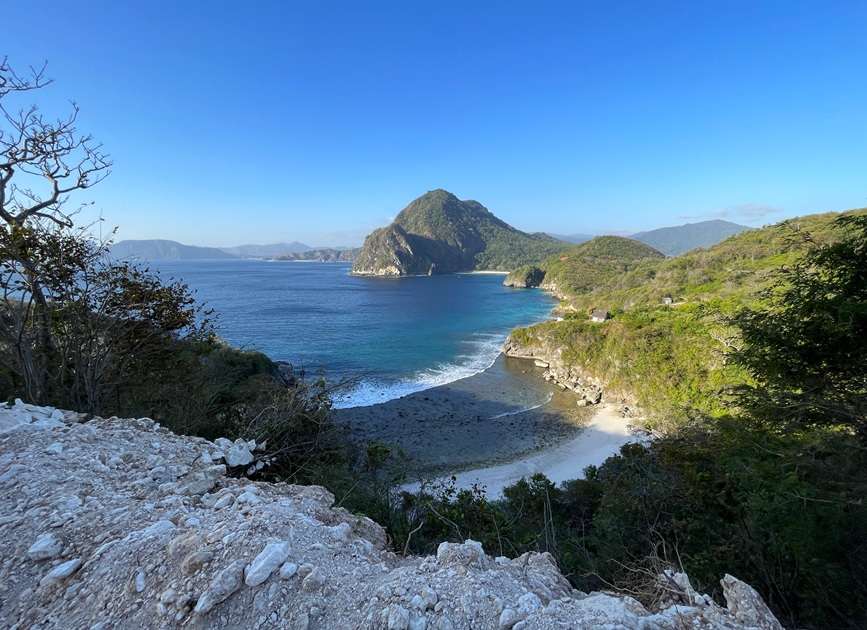
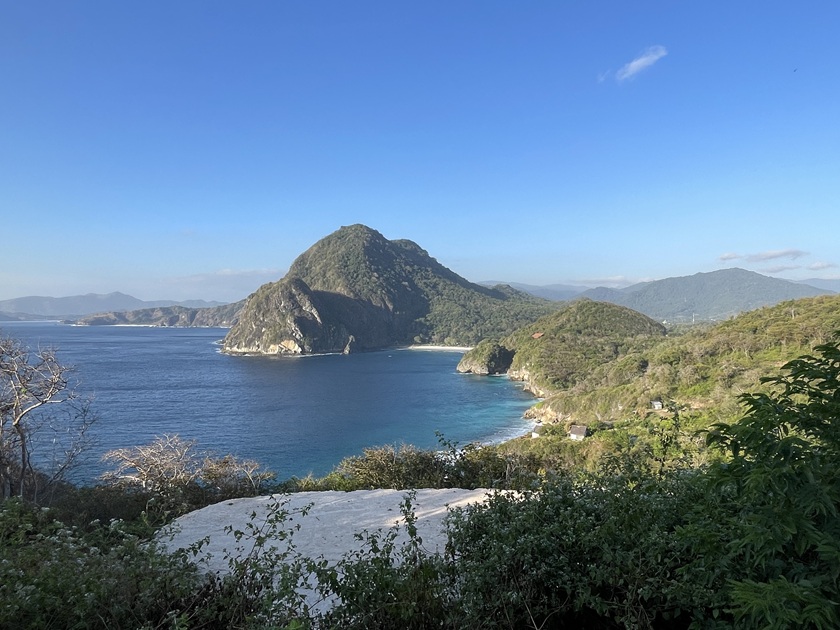
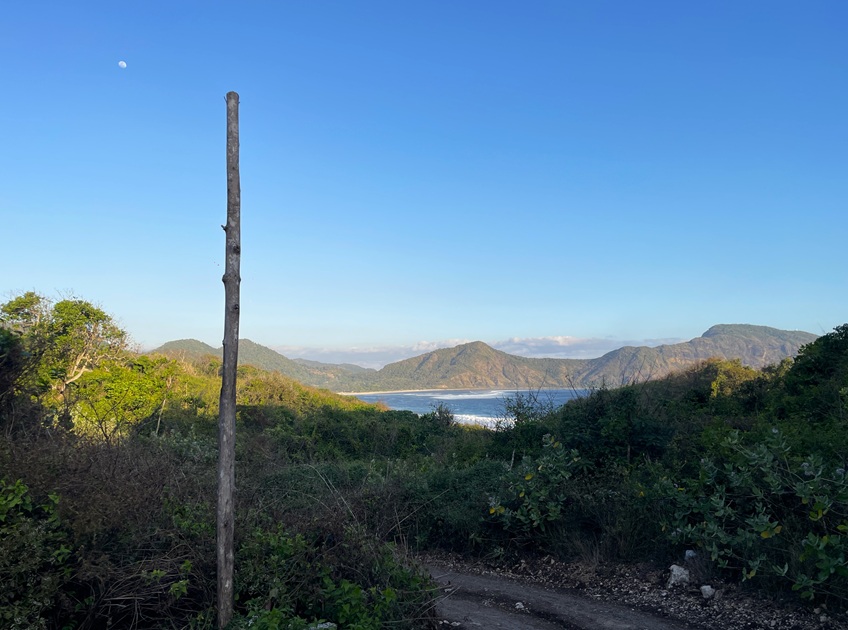
If you love hiking and are thrilled by self-challenges, I highly recommend checking out Pantai Segara. I found myself, in flip-flops and with only a half bottle of lemon water in my hand, on the top of a fucking hill, with a stunning view, at golden hour. How? I spotted it while scrolling on the map, and drove there. Well.. I could have taken the hint about the circumstances while finding the way. First, Google Maps doesn’t show the correct road. Then the two paths narrow into one lane (meaning bikes only), which ends on the side of the cliff, in the bush, only pointing to a rocky walking path downhill. I parked and went part goat.. I had no idea where I was heading, how far I could go, or what I would find. The bush trek took about 30 minutes, was sweaty, the view was gorg (giving me Padar Island vibes.. without the crowds), and even though part of the forest had already been bulldozed (which also made this walk and the view possible), there was definitely a serendipity in the air.
Pro tip: Whenever you go, finish before dark and wear shoes (you can do it in flip-flops, but the gravel and soil are very slippery).

SLEEP & EAT
You’ll probably end up on one of the beaches in a surfhouse (or resort, villa, whatever). Driving on the west coast is easy (zero traffic, only a few trucks and bikes, and the pretty, curving mountain roads), but if you spend your days commuting between accommodation, beach, and coffee, it gets boring. I split my stay and moved between places to shorten driving times.
- I started in Sekongkang and stayed at Kahurangi. The room was comfy, not too clean (they clearly change only the bed sheets, but don’t bother wiping sand out from under the beds and corners). Food is good, staff is a bit weird (I couldn’t decide if they were rude, bothered, or that’s just the normal local resting bitch personality).
- My other station was in Maluk. It’s the mining town of the area, giving me Waingapu vibes: very local, no fancy stuff, but strategically placed for driving in different directions. Maluk Stay is the best accommodation: it hosts long-term miners but has space for random travellers. Still new, KingKoil bedding (I fuckin’ love it), good resto (feels a bit pricey tho), and really lovely staff (I always notice the difference, so must highlight it).
Sumbawa is not Bali in so many (good and bad) ways, and that includes food. Local dishes and warungs are everywhere, and you get exactly what you’d expect. Resorts and villas, unsurprisingly, have pale, bland, overpriced, and we don’t have it today menus. Completely forgettable, better to grab a nasi goreng somewhere on the way.
- The only good Western spot is Shardana at Scar Reef. An Italian restaurant with the worst staff and the best gnocchi (small, chewy, yummy). I didn’t try their pizza (it didn’t look appealing during my visits), but again, the gnocchi is superb.
- For a local place, I recommend Resto Ex-Ex in Taliwang – the tempeh mendoan is really great.
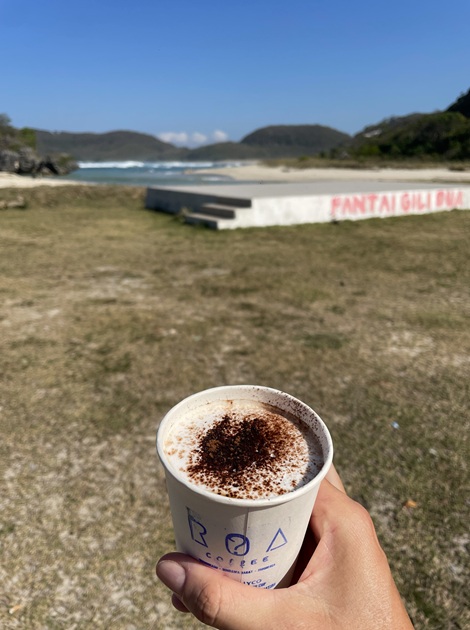
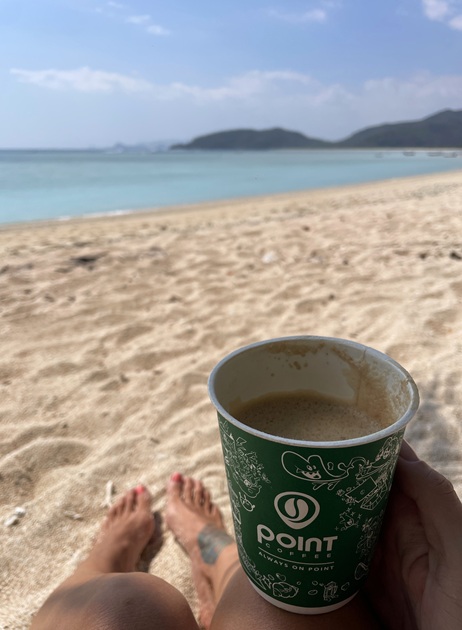
My main pain was the daily coffee fix. Indonesia produces the best beans in the world (POV), people just don’t know how to drink them. Luckily, ROA (at Pantai Gili Dua) saw the business opportunity and serves us well (from early morning till sunset). And there’s a single Point Coffee (in Taliwang), my lifesaver in the east. Resorts usually have coffee too, but why would I pay 60k for a very average cappuccino when I can have a decent one for 20k?!
SUMBAWA
And here I come, the partypooper who tells you not to go to Sumbawa to swim with whale sharks.
Leaving the slow coast life behind, I headed to the center of the island – specifically Sumbawa Besar – with a snorkel plan in mind. After my unique whale shark experience in Gorontalo, I dove into research to learn more about the locations and options for encountering these giants across Indonesia. My conclusion was that there’s no good place within the borders. Simply put, it’s not ethical, instead overtouristed, greedy, zero fuck giving about conservation – let alone protection – treating these animals like zoo attractions. And I’m not standing with that.
Of course, even in Gorontalo, they fed them, but there were only males, which meant they were seasonal and migrated every few months. I was alone with my guide in the water, and to the best of my knowledge, Ibu Susi still kept a close eye on how things were going. So I was content with my decision. But as I see now on social media, things have drastically changed in Gorontalo too – and that’s just sad and infuriating.
I must admit that my brain has been foggy lately. I came to Sumbawa because I wanted to finally visit after all these years, to see what the vibe was like, and to enjoy my time. I was thinking of beaches. Then I remembered there were whale sharks.. so I contacted a tour and planned with that. Only when I sat in the transfer car at 2 am started scrolling on Google, and slowly but steadily realized my fucking huge mistake. But I convinced myself not to turn back halfway.. let’s see at the port, maybe it’s not that bad. When we arrived at 4 am and I saw the 10 people already waiting, I knew it was bad. Very bad. As the number grew to 20+ and the first two boats headed into the bay, I cancelled. Well.. I could have saved quite some money and time if I’d realized all this two days earlier, but I couldn’t just go through with it because I was already there. It didn’t feel right.
Am I judging the people who come every day and pay for these trips? Partially. On one hand, I understand the uniqueness of the experience very well – who wouldn’t want that? But on the other hand, it’s ignorance and selfishness, and that’s the hard pill to swallow. You can’t say you didn’t know, not with open access to the internet (probably the very way you found this place). Ultimately, we can’t put all the blame on tourists. The core problem lies with the local government and community – not setting limits, not caring, and therefore not protecting nature (whale sharks are protected animals nationwide, but that law doesn’t extend to tourism).
The most heartbreaking thing in Indonesia is that the country has the most incredible islands and underwater in the world, but people shit on them (respect to the exceptions). In an emotional moment, I’d even say they don’t deserve the land they colonize.
Sumbawa is also one of the trashiest regions I’ve visited. And they litter so casually, without even trying to hide it. Pollution is a major problem in the country, at least from a tourist perspective, and pointing fingers doesn’t solve anything. Still, the more I travel, the more obvious it becomes how bad education in Indonesia is. Beyond people struggling with simple math (like giving back change), the lack of effort and interest in their living environment makes me question how far humanity has actually risen from animals.
All in all, it was a good, one-week experience, and for anyone – even those who aren’t water junkies – it’s worth a visit. And maybe because of the NTB regional vibes, spending a few days in Sumbawa makes me want to return to Rote.
 The Flux in PARADISE
Comment