Last visited in May 2025
Living on a tropical island can become monotonous and boring after a while and makes me miss the city vibes – and I don’t mean a small corner town here, but a real metropolis with asphalt, skyscrapers, and neon lights.
To put this straight: Jakarta is not Bangkok. It has no culture, variety, or quality entertainment. It’s just the fucked-up Indonesian capital with the worst traffic, pollution, and low vibration. So why am I even talking about this city? Because sometimes you happen to end up here (for a layover, to meet someone, or to do business).. and that’s it. You shouldn’t go to Jakarta if you have no good reason to, but if you must, let me give you some practical advice.
THE TRAFFIC
One word: bad, bad, bad.
If you arrive by plane (probably to Soekarno-Hatta), take the direct airport line to the city; it’s very convenient, comfortable, much cheaper than a taxi or Grab, and even the travel time may be shorter at the end. If you arrive by train (btw, long-distance trains are not bad at all), always know your exit station – it sucks if you miss it and end up in a different district than where you wanted to go. I strongly don’t recommend using buses or minivans in the Jakarta area; while these are great options in other places, here, you will waste your life sitting in traffic jams.
In the city, use the MRT; it’s well-lined, touches all the main points, and is almost entirely digital and cashless, which gives a cool impression. Another option is Grab. For short distances, bikes are the best because they can still slalom and move when all the cars are standing. For longer distances, always call a car; even if you are without luggage, sitting in the A/C box instead of burning on a bike, sweating, and inhaling all the exhaust is incomparable. An extra tip: add a credit card to your Grab account for more efficiency and to spare some annoyance. As you don’t have to deal with cash payments, it’s faster, and since the drivers tend to have no change, you’ll save money, too.
Walking around is not a thing, and it’s not healthy, either. Also, people usually walk on the streets disorientated and with zero attention or sense of periphery (constantly staring at their screens doesn’t help), which can be bothersome when you’re already agitated by the heat. Anyway, using sunblock and wearing a face mask to protect yourself from pollution, all kinds of smells, and people is always a good idea.
THE DISTRICTS
Every district is set to serve all needs (accommodation, food, shopping), so it’s all about your personal preferences. I still recommend Gambir (Central Jakarta); it’s in the middle of everything, easy to move in a radius, and actually has the best stuff.
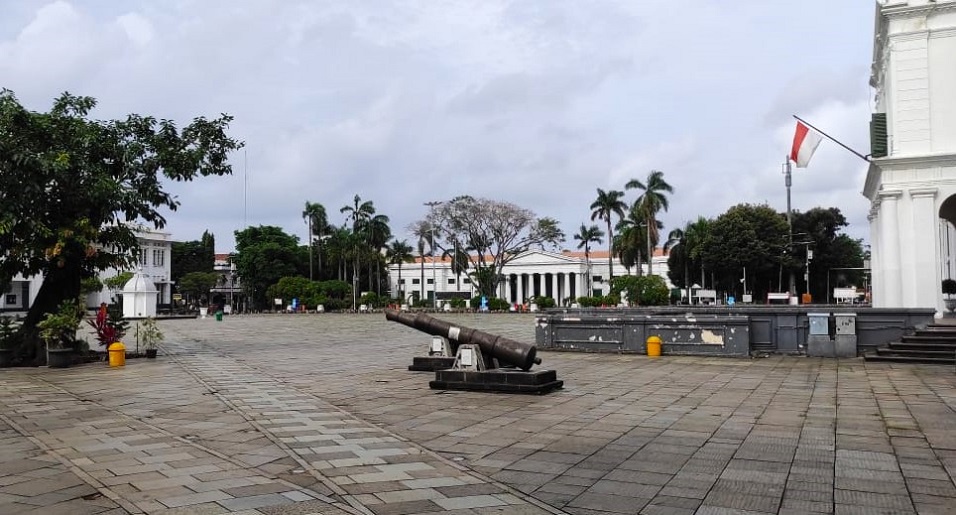
Chinatown and Kota Tua are located in the north (namely, in West Jakarta), offering that little sightseeing in JKT. Chinatown is my soft spot, and I think the best part of every city – it looks different, smells different, and tastes different. Take a walk on the market streets, buy some street munchies, and enjoy the five-spice mixed canal smell of the red district. Kota Tua (Old Town) is a remnant of the Dutch invasion (colonization), and the old buildings and European structure present an interesting contrast to the Asian chaos.
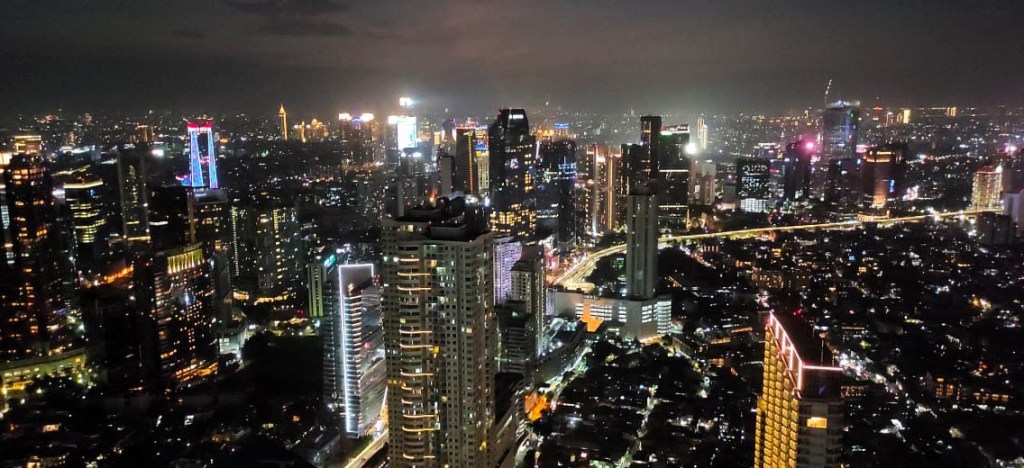
South Jakarta is the rich-rich part of the capital, and Sudirman CBD is undoubtedly the icing on the cake, with the skyscrapers and suit people. This is the real urban jungle, where you are underdressed in flip-flops.



THE ACCOMMODATION
Jakarta is the city of cockroaches and bloody giant rats. Since Javanese – generally speaking – have a low need for hygiene and tidiness (I may be wrong, but this is my experience so far), I strongly recommend staying in chains or franchises. Whether a hotel or hostel, these chains at least have some standards in housekeeping and maintenance (words that aren’t in the vocabulary in Indonesia). So if you want to skip the mold-bedbug-cockroach experience, do yourself a favour and don’t book any random place for the night.
THE FOOD
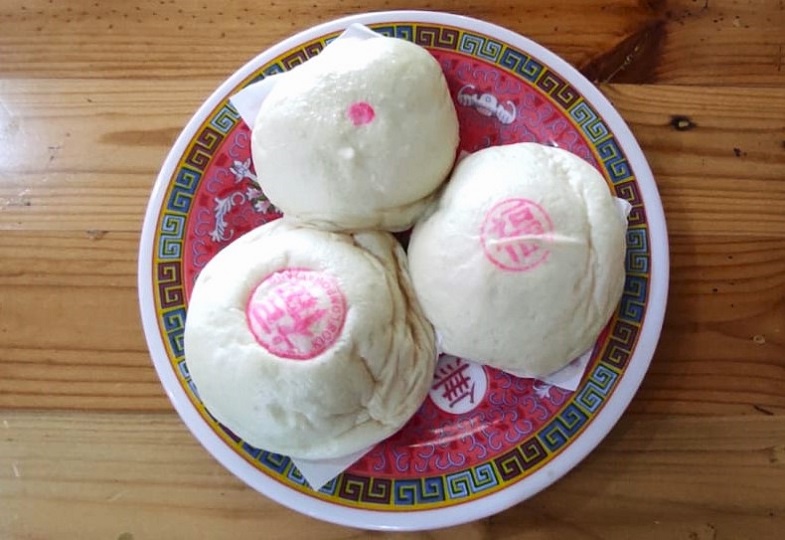
You can try fancy restaurants or join the Gojek drivers at the street stalls, but there are three foods you must try here: bubur ayam, bakmie, and bakpao. The best recipe for great food is following the locals and your nose (hopefully, it’s not clogged). Bubur ayam is the national breakfast dish; it’s on every corner, but go where the crowd is. Bakmie is my noodle obsession (this and udon); the tick, curly noodle is so tasty and chewy. Bao is a Chinese goodie, and the best one is at Bakpao Lompobattang. It’s a bit out of the way in East Jakarta, but the heavenly steaming buns with juicy fillings are worth the extra mile.
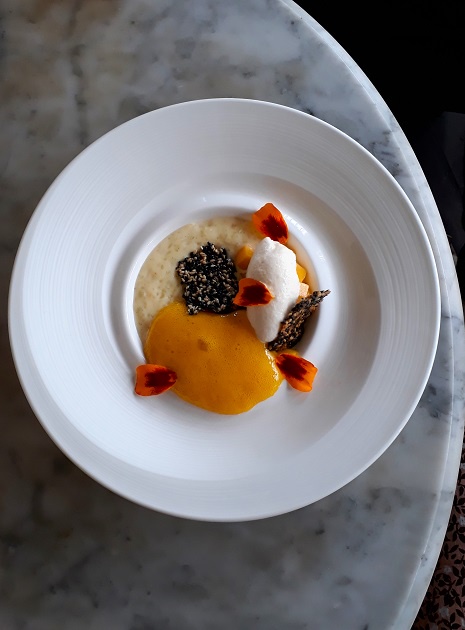
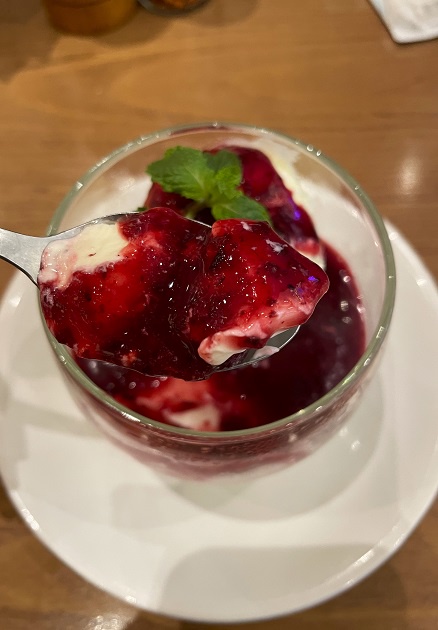
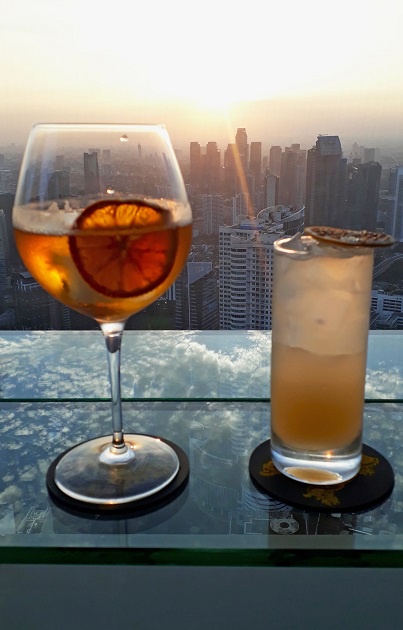
Besides these, try the rice pudding (with mango, vanilla, and sesame) at Café Batavia, the panna cotta at Pizzeria Cavalese Alta, makgeolli at Korean BBQs, and finally, sip a few cocktails at Henshin with the best view from Indonesia’s highest rooftop.
THE ENTERTAINMENT
Jakarta has over 170 shopping malls, and they are not small. However, the products are the same everywhere. If you listen to me, you only visit one mall: Grand Indonesia. What you cannot find in these 263.226 square meters doesn’t exist in Indonesia.
If eating, drinking, and shopping don’t amuse you, there are a few but limited options to feed your soul with some art. Jakarta is not one of the artsy, fascinating, and progressive places in SEA, and the museums mainly focus on history (which I don’t care much about). For contemporary art and design, visit Museum MACAN or D Gallerie, and if you’re in the right place at the right time, you can catch dope art expos and shows like Art Jakarta.
Jakarta is what it is; people love to hate it, which is completely understandable if someone lives here. But you as a visitor can choose whether surviving in the city is a suffering or an adventure.
 The Flux in PARADISE
Comment