Last visited in May 2024
They say Sumba is like Bali in the 80s, and it’s indeed not (yet) a fully explored and developed destination. From what I heard, there were only rocky dirt roads a few years ago; today, the asphalt network across the island is a driving heaven. Progress is definitely happening, and that gives me a contradictory feeling: I love empty, remote places (with no people), but I overly enjoy driving on perfect, paved roads that could not exist without people and interest in tourism. If you are like me (i.e. prefer things before they go mainstream), the best time to visit Sumba is NOW!
WAIKABUBAK
Waikabubak is about 1-hour drive from Waitabula (Tambolaka). But not always. Saturday mornings are for the market, Sundays for the church. All I can say is don’t drive long distances on a Saturday morning or deal with the consequences – namely, being stuck in the middle of a buzzing street market with no way out.
Related to transportation, an interesting phenomenon I haven’t seen anywhere before is the petrol station madness. Bikes and mini-trucks line up outside the station from the wee hours of the morning.. but it’s not about the line; it’s the number of vehicles. Look at this:

I would expect to see something like this if we lived in a gas crisis (like in a Mad Max movie), though this is just the local normal. If you don’t want to wait all day in the heat for a fill-up, opt for bottled bensin. There are many vendors, and the price is almost the same (finishing quickly is priceless anyway).
I had some struggles leaving Waitabula. As part of my current personal healing, loneliness, and temporary hopelessness kicked in and made me feel very low. I had no interest in waking up in the morning and doing life, and honestly, crying while smoking isn’t one of my favourite activities. Well, it is what it is.. sometimes, breathing and surrendering are all we can do. And driving.
Driving is like meditation for me. Thoughts rush through, the fog in my head is literally blown away by the headwind, ideas and plans pop up, and even an hour’s drive can significantly improve my well-being. I went through countless emotional and mental phases before I reached Waikabubak, then slowly everything settled as I also found my place.
I stayed at LaCasa DeLuna Guest House and can only recommend it. A perfect cozy hideaway after long days of exploring.
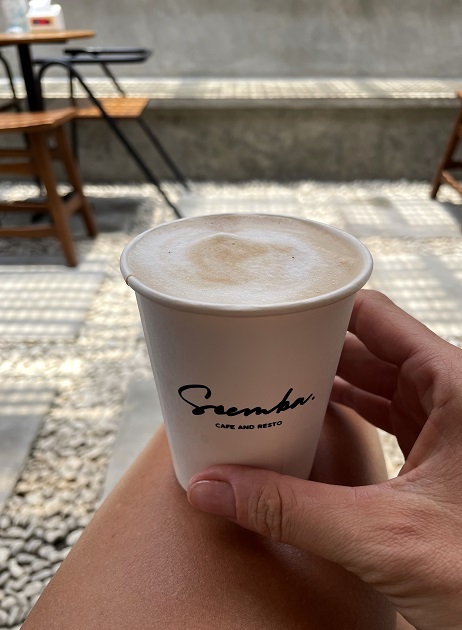
Another strong recommendation is Soemba Coffee & Resto. When I arrived (after the getting-my-life-together drive), all I wanted was coffee. I stopped without high hopes, but my eyes widened. In the heart of this very local town, you not only get a proper cappuccino but also very good food. The only beauty flaw is the amount of plastic they use (unfortunately, this is not easy to change in such regions). Since there was no other place with morning coffee, I visited it every day during my stay. (FYI, Indonesians start drinking coffee in the afternoon, so many cafes open at 4pm.)
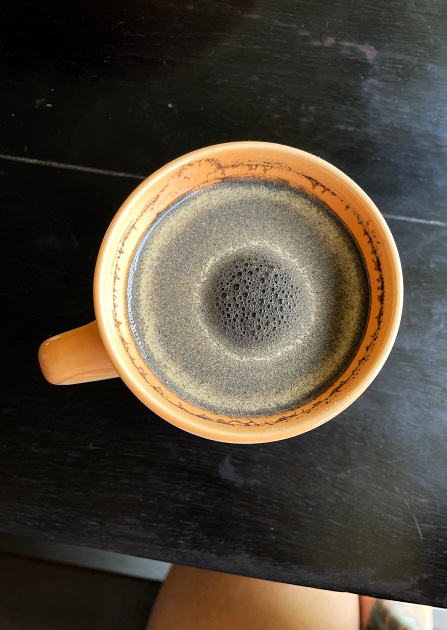
By the way, Sumba coffee is clearly different from other regions I’ve tried so far. It looks and tastes like charcoal, has a dark, greyish colour, and a strong malty taste. Drinking it black was too strong for me, but the white versions worked quite well.

Sumba, especially the province around Waikabubak, feels like a fusion of Toraja and West Papua (people have darker skin, chew pinang, and choose Christianity over Islam). Saying this with an outsider’s eye, the Sumbanese Marapu religion has many elements in common with the Torajan Aluk To Dolo. Both are based on ancestor worship and animism, with great emphasis on funerals and the sacrifice of buffaloes. Consequently, people – and basically the next 3 generations – are living in debt because of the traditions. I didn’t grow up or live in a deeply religious environment, so I can’t understand this, nor am I in a position to tell anyone how to live their life; I only had my observations (but I also heard that the old traditions are changing slowly).
The region is packed with kampungs (some are more touristy than others), and you see the ancient and new tombs everywhere. These megalithic graves are quite interesting, and the engraved patterns are worth taking a closer look at. I’m still not into dead people and expensive (nonsense) ceremonies, so as I didn’t visit any traditional villages (I hate being seen as a walking ATM machine), I only gave a sneak peek at the stone graves when no locals were around.
My interest was much more focused on waterfalls. So here are the three I visited this time:
- AIR TERJUN LOKOMBORO
This was my first spot. The waterfall is located behind a power plant. I was on my own, so parking in the private area felt a bit confusing. If you come with a guide, they know what the deal is. If you’re alone, no worries, the guys working there will show you the way to the waterfall (I surely wouldn’t have found it).
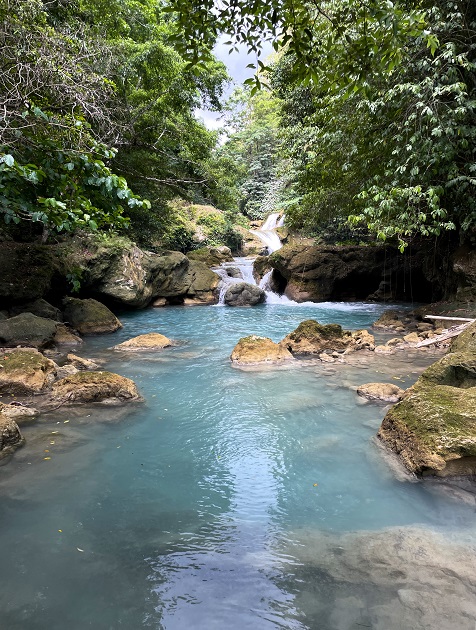

It’s a fun 15-minute trek to the destination – jumping on big stones, balancing planks and branches, and crossing the stream back and forth. There is a narrow trail on the side, but snakes live there, so it’s better to stick to the water path. The first sight of the milky blue water was already promising, but the waterfall left me speechless (and not just because the humidity in the jungle was suffocating). It’s a prime example of the perfect waterfall-chasing experience.
Entry: Free, but tip the guys.
- AIR TERJUN LAPOPU
Really unique and picturesque, but you have to suffer for the reward. Google Maps won’t find the way, but it’s easy: leave Waikabubak on the main road to the east, and you’ll see a big white sign on the right side. Turn and follow the winding mountain road to the destination. Most parts are alright, but it has a short challenging section: a dry, dusty, sand-covered 75-degree slope. It’s a no-go after rain (just imagine the oozing mud), but definitely dirt bike terrain in the dry. I learned my lessons, and since it’s not exactly a busy road, I didn’t want to risk getting stuck in a shitty situation with no chance of help. So I parked in the shade and walked the remaining 2 km to the waterfall (of course, beyond this short section, the road is driveable again).
I have to say, it was such a transformative walk. The mental vibe of the previous days was still present, and I was like fuck it, I couldn’t find any better situation to clear any remaining shit out of my soul. So I high-fived my shadows and walked the crap out of that trek.. and arrived at the entrance somewhat refreshed. Sweaty as hell but refreshed. Only jumping into the water was even more refreshing. (Before that, I had to bargain with the guys at the entrance to find a fair deal.)

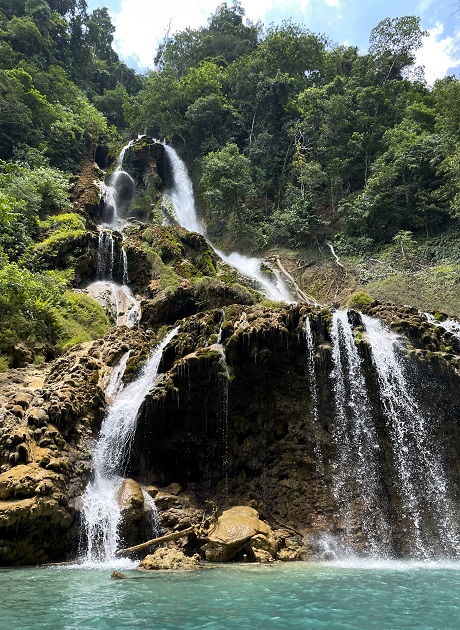
This multi-tiered waterfall surrounded by wilderness is beautiful, and even tho I visited it in the dry season, it didn’t disappoint. The natural pool is terrific, and you can chill on the stones or just walk around and enjoy the scenery. (FYI, many waterfalls dry up during the dry season, so do your research before visiting places.)
Lapopu and Matayangu waterfalls are actually connected by a jungle walk. So if you want (and are smart enough), you pay the entrance fee only once and visit both waterfalls at the same time.
Entry: Weekday and weekend prices. 150k/225k IDR for foreigners (5k/7,5k IDR for locals – discrimination rulz) + parking (5-10k IDR). Also, a guide will accompany you whether you want it or not (they are only handy if you want to visit both falls).
- WEE KACURA
I would like to figure out why the most hyped things are the most disappointing (or at least not living up to the hype). I visited this must-see, over-instagrammed rice field waterfall on a Monday morning (wanting to avoid any possible weekend tourism), and I only spent 10 minutes there before leaving happily.
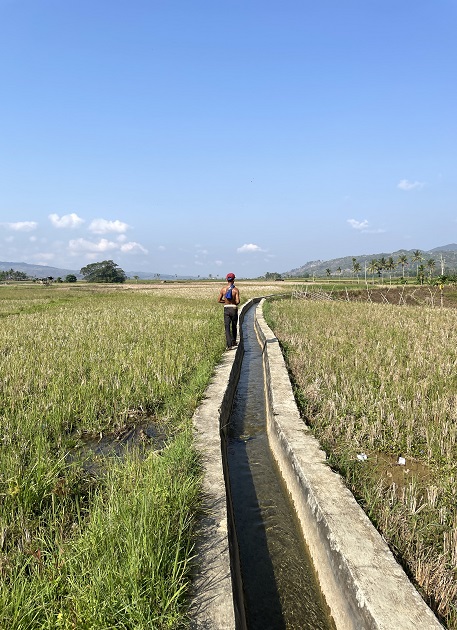

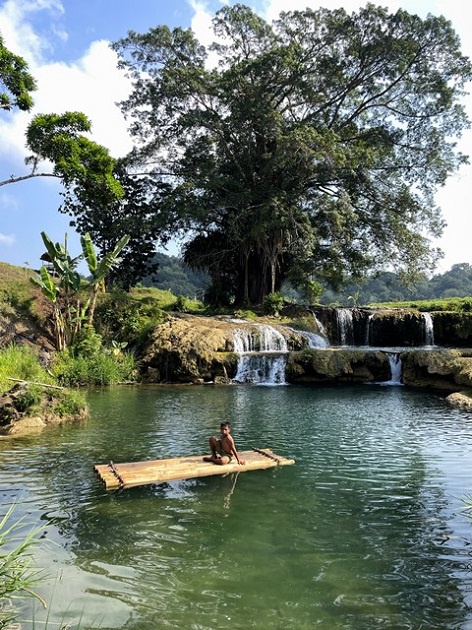
An easy, ca. 10-minute walk leads through an extensive paddy field to the waterfall that looks like a little oasis. From afar. From closer, it’s more like a dirty trash hole. The spring originates from a nearby cave and flows through the rice fields. Considering the less water (the aforementioned dry season situation), that people wash their trucks at the dam (Bendungan Waikelo Sawah) before the water reaches the pretty waterfall part, and that the villagers use the spot for their daily bathing, I was more disgusted than interested in jumping in – due to these conditions, the last (lowest) pool was not even recommended by my random guide. So yeah, it was more of a watch-it but don’t touch-it attraction and light-years away from the edited social media photos and drone videos.
Entry: Free, but tip the guys.
- GOLLU POTTO
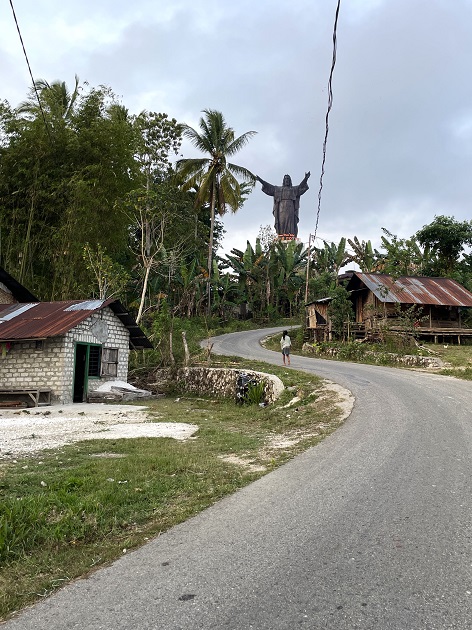
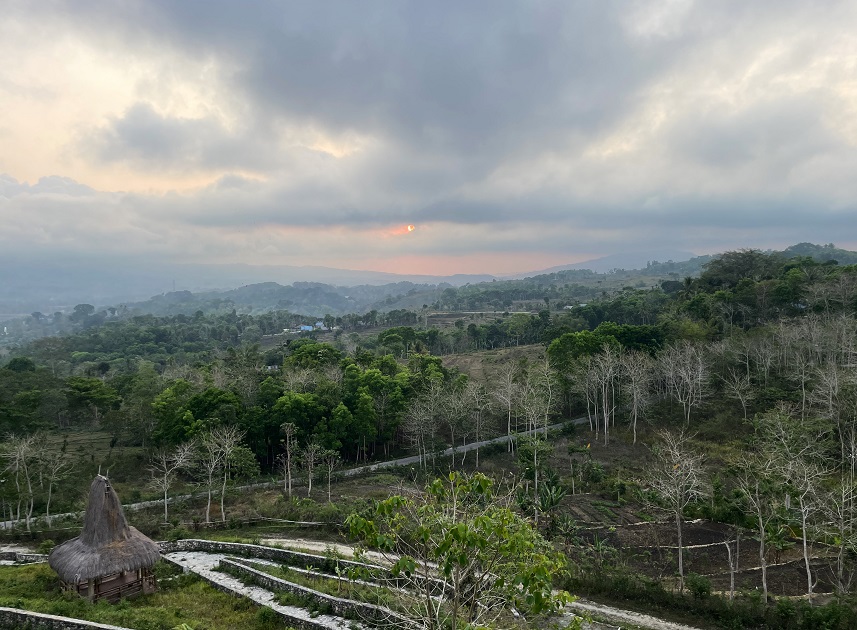
No water, but fun to visit. From the main road to Waikabubak, you’ll see a Christ statue. Check it out on the map and drive up for sunset and beers. I found the paintings amusing, and the view of the valley is really pretty.

LAMBOYA and WANOKATA
West Sumba is the island’s hotspot, and that’s because of the surf and Nihi (to sum it up).
Waikabubak is the turning point to the southern beaches, which are the most popular and the main calling places. However, this part of Sumba has maybe the least pleasant vibe, and for some reason, it reminds me of Lombok. First: the scenery – the drive through the mountains, the picturesque view from above, and the stunning coasts at the end is just like cruising in South Lombok. Second: the surfing spots. Third: the people – there’s more to elaborate on this.
Three words: money, money, money. Nihi costs a fortune and represents wealth. I may be wrong, but my experience has proved the preconception that facing this daily makes locals more envious, needy, demanding, and generally rude. But can you blame them? You’d have to be blind not to see how the rich (foreigners and Indonesians) enjoying a luxury vacation impacts the poor living in the debt of their ancestors. The money spent here in one day can be a literal life changer. The same old story of how advanced capitalism colonizes remote areas. Sometimes, it seems that nothing has changed in human history.. it may just be less bloody.
Yes, these high-class hotels – Nihi is not the only one but the flag bearer for sure – boost the economy and provide jobs, but nothing is black and white, and this too has its shadow side. If you are just a casual traveller – god forbid a backpacker – you might get annoyed that you cannot pass by people without them shouting ‘money’ or jumping in front of your bike to stop you. Even the self-nominated guides expect higher tips and pocket it without a smile as if it’s self-evident. Personally, this mentality repels me. Far away.
And apart from the locals, tourists are also not very open and friendly to each other, although there are not too many of them. I got the impression that some feel special and self-centered about being here and don’t want to share the experience with others.
I went down in a spiral here, so let’s get some positive vibes. Sumba spoils you with a different beach every day, and you can do little adventures to explore hidden, hard-to-access ones. Since my interest in this region waned for the above reasons, I only stuck to the main spots.
- PANTAI RUA
I chose Rua as my base because it offered the best accommodation. I stayed at The Village Inn, which is part of Rua Beach Resort. Affordable prices, comfortable rooms, and one of the best restaurants on the island. This is thanks to the Italian owner who created the menu and no joke, I didn’t want to eat anywhere else.. because why would I?!
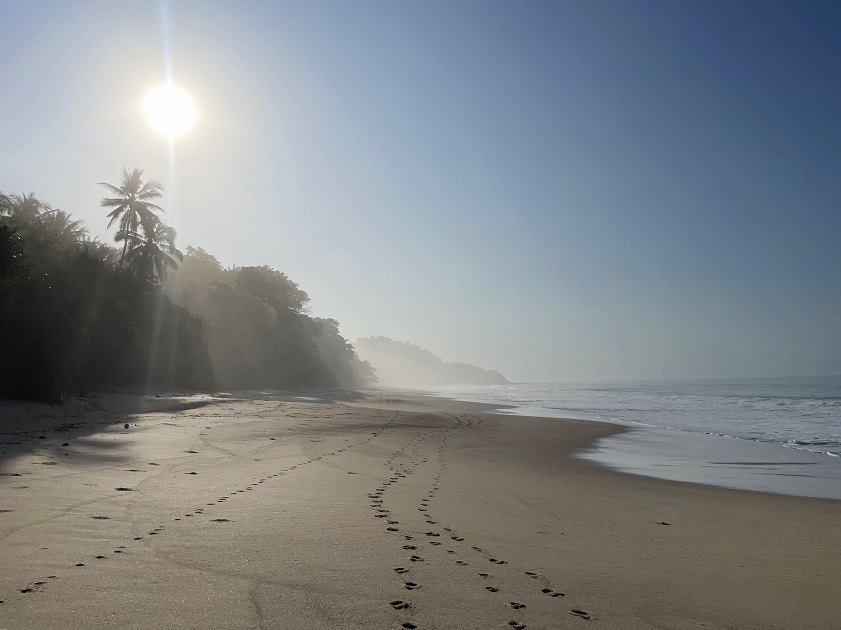
Not much to do here, just 100% hardcore relaxation. One activity I can still recommend is a sunrise beach walk. It’s a ca. 2,5 km walk, crossing creeks and reaching a tiny hidden beach at the very end. The morning lights, the sand in the air, and the splashing waves create such an unspoiled experience, and this is the only place with a rice field on one side and a beach on the other. You can start the day with a boost of satisfaction, burn calories before breakfast, and check the night’s catch firsthand (if you’re interested in fish).
- PANTAI NIHIWATU
One of the most magnificent beaches, colonized by the most famous hotel. Officially, there is no way to access the beach unless you’re a guest of Nihi. In reality, there’s always a way, and thanks to two Sumbanese ladies, I can share the shortcut with you.
Follow the dirt road towards Kampung Watukarere, then an even dirtier road on the left leading into the forest. You’ll reach a spot where locals wash their clothes in a canal pool. Either ask someone to show you the way or simply follow the canal down to the rice paddies. When you arrive at the clear sight, you’ll see the beach behind palm trees. Just walk down the paddies until you arrive at your destination. (Then, the same way back.)
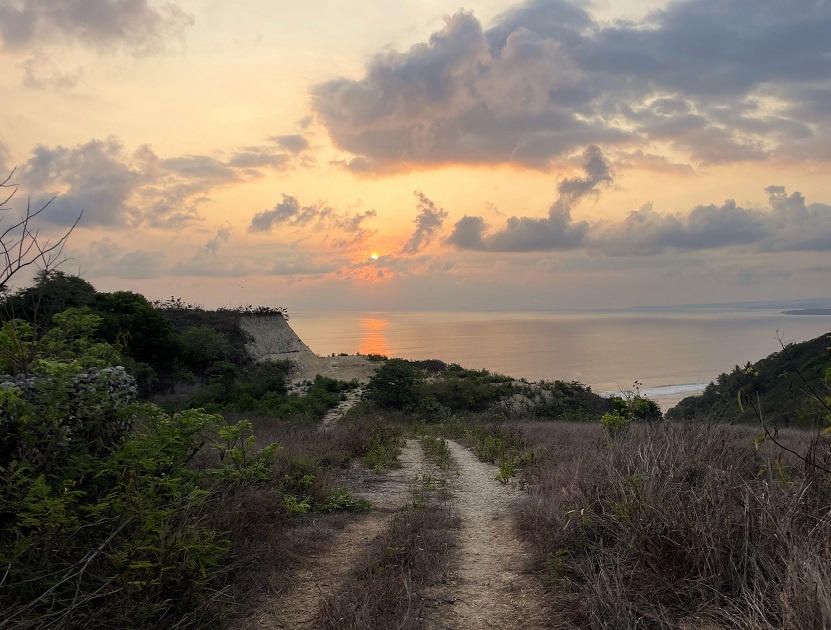
Another recommendation is a sunset spot next to Lelewatu Resort. Pass by the resort and follow the rocky road to the cliff – it looks more adventurous than it is. Park your bike, walk to the edge, and enjoy the stunning view.
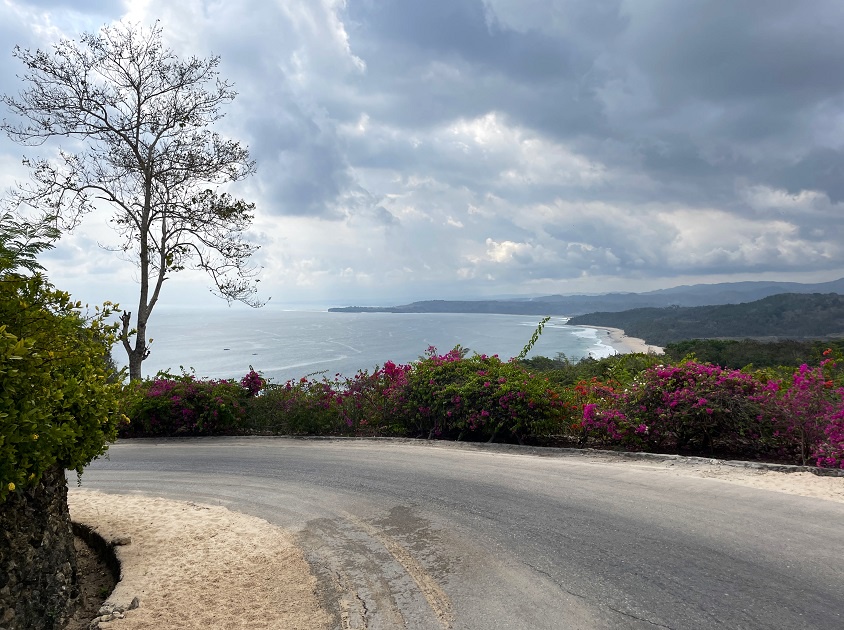
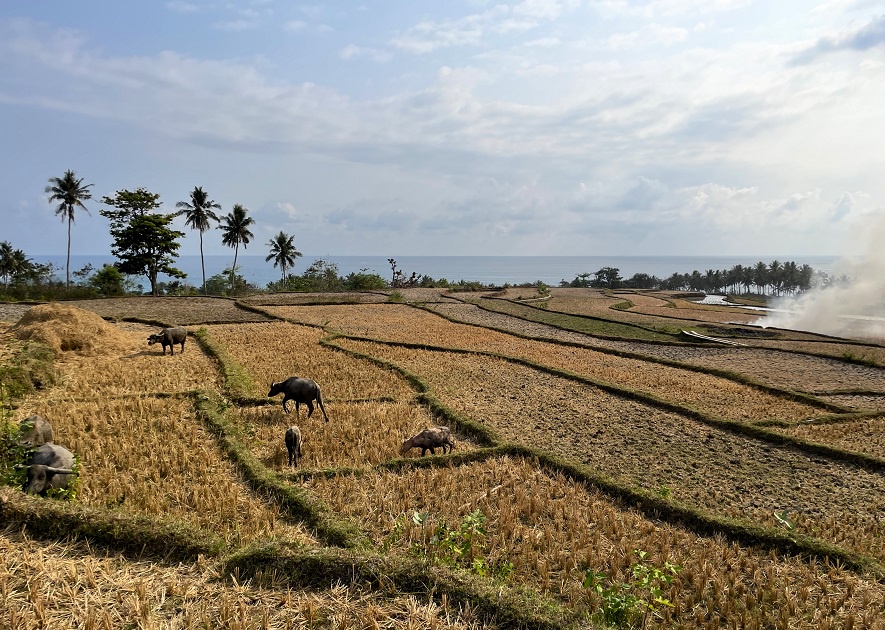
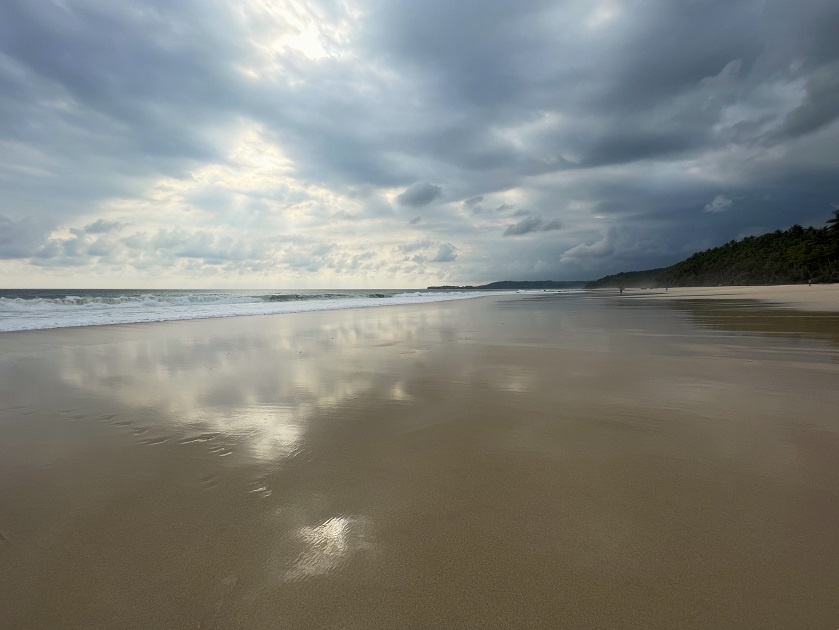
- PANTAI KEREWEI
The surfers’ paradise with surf retreats and camps. I tried but couldn’t catch the vibe of this place, and since the beach isn’t that nice either, I left after a slightly disappointing afternoon.
- WATU BELLA
She’s a real gem. The easiest way to access it is via Pantai Dewa but be warned: that beach is full of sand flies, so you must be quick.
First, you’ll arrive at the locals’ houses, where you can park. They charge a 10K IDR parking fee and assign a kid to lead you to the beach. I actually gave our boy extra money because he was shy, sweet, and respectful, which I appreciate a lot in this environment. I’d rather give all the money to someone kind than someone who yells and tries to rip me off.
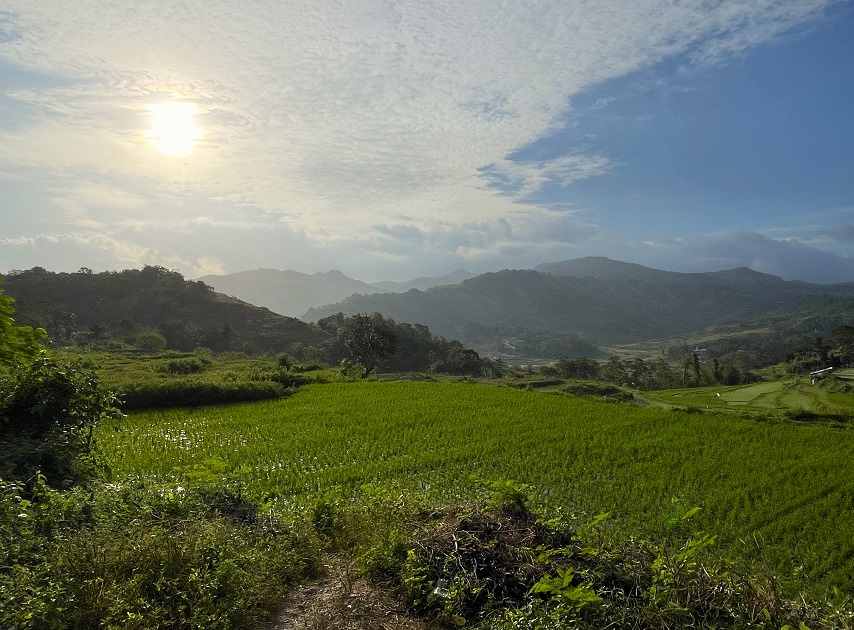
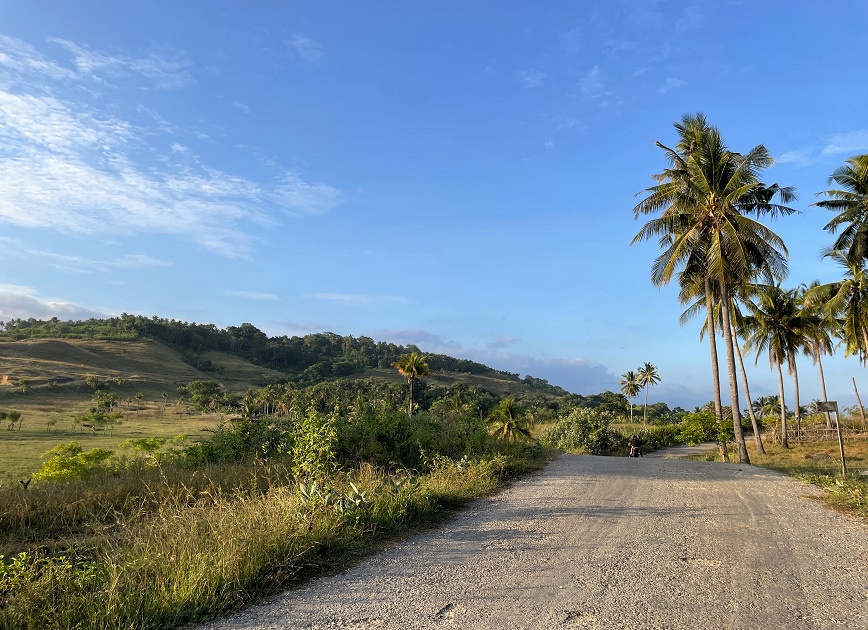
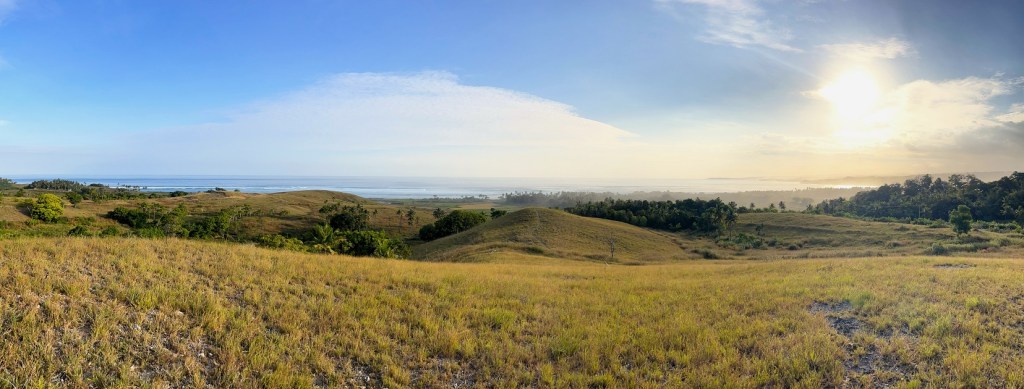
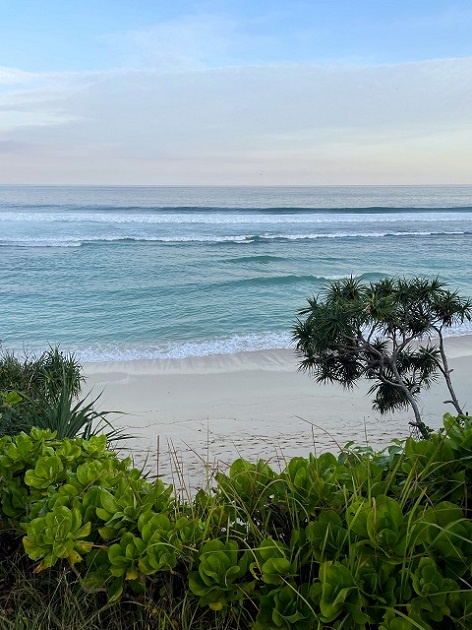
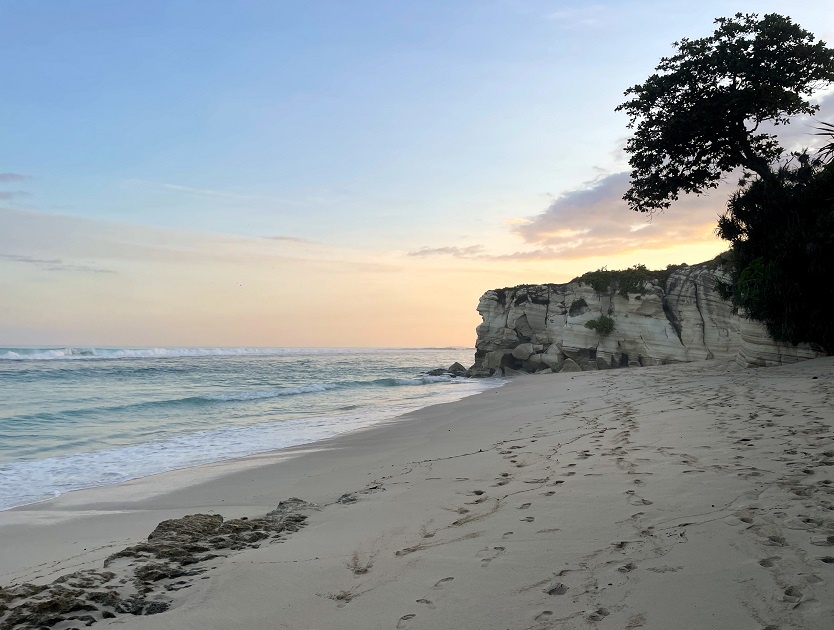
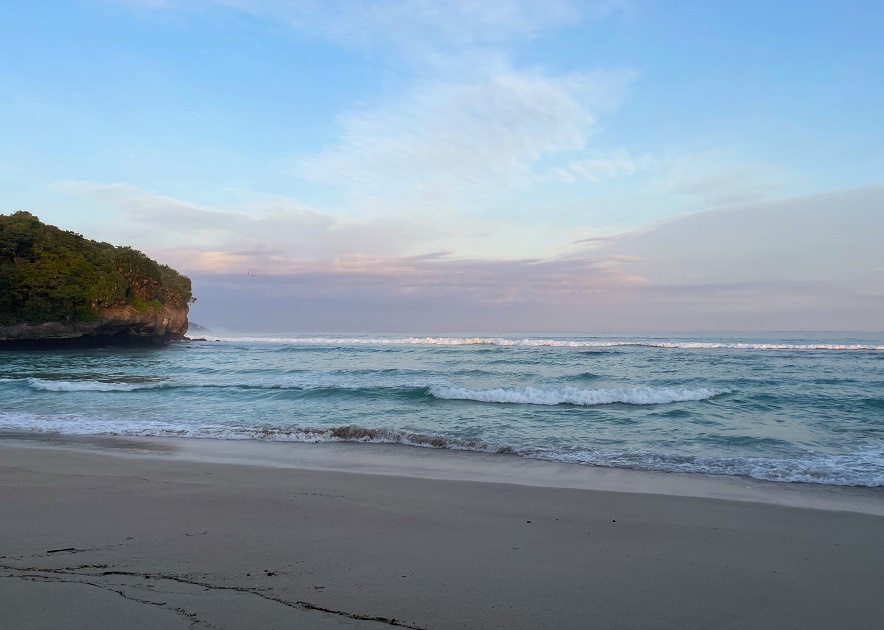
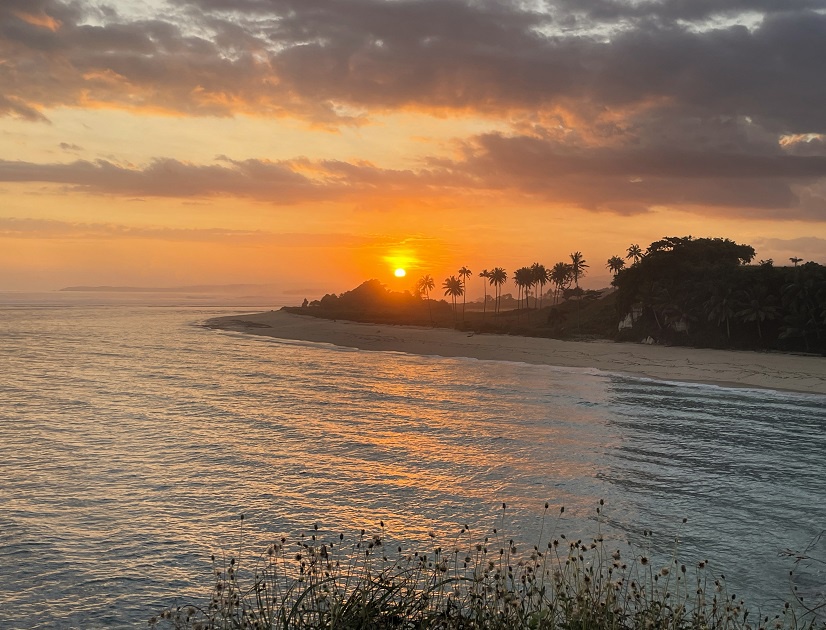
I’ve seen pictures of Watu Bella before, but it hits differently in real life. The towering cliffs, pristine white sand beach, and mesmerizing sunset left me in awe. At low tide, you can adventure into the cave.. which is fun, just don’t get stuck.
- PANTAI MAROSI
Surf spot with an intense shore break, but also perfect for having some private time on the long stretch of white sand.
- PANTAI DASSANG
Basically colonized by Sanubari. However, with a bit of finesse, you can access it. Another option is walking from Marosi, but that only works at low tide. For the lazy ones, Sanubari offers a daytime pass, which means you can sit and chill (or work) in the restaurant until sunset and access the beach.
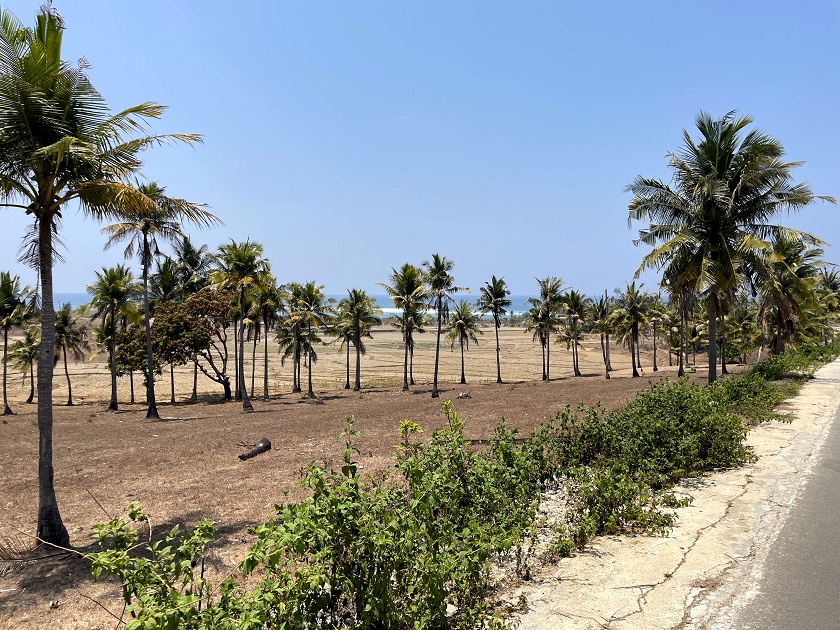
I don’t think Sumba will become another Bali. Mainly because the target profile is more of an exclusive luxury resort island and because the Sumbanese are not Balinese. Apart from the predictable side effects of evolution capitalist colonization, the high interest in this island is entirely understandable: Sumba is gorgeous. You just have to visit it before it’s too late and it gets ruined.
 The Flux in PARADISE
Comment