Last visited in January 2026
Koh Samui is the second largest island and one of the most boring places I have ever visited in Thailand. How can that be? Despite its size, there isn’t much to see and explore in terms of nature or culture.
The internet is overflowing with blog posts about how exciting it is here, listing at least 15 unforgettable things to do and raving about the endless possibilities for self-entertainment. I also read about some rich history, but all I found was an island built for consumption. After my secluded and remote Indo-life (Indonesia is bigger than Balinesia), it was somehow a shock that Thailand is mostly about mass production and endless consumption. The central part of the island feels like Kuta Bali before Covid (IYKYK), and frankly, if there’s nothing else but buying stuff or position (women and/or sunbeds at a beach club), it’s sad and boring; a perfect example of how to destroy paradise in favour of greed.. from treasure to trash.
So you can believe the hypers who list the exact same things, or you can check it out yourself. However, let me highlight a few details that may be useful.
THE WEATHER
Koh Samui is one of the few places where you can enjoy the sun during the monsoon season. In theory. But climate change is more powerful than our wishes.
The archipelago has three seasons (dry, hot, and rainy), which can give you a rough idea of when to visit, but be aware that the weather game is strong here. Although it seemed I successfully got away from the Phuket winter (in June-July), the fun and sun only lasted for three weeks. Then, the brutal rain arrived (about a month earlier than it should have been). When it’s sunny, your skin burns down, but when it’s a thunderstorm, the hurricane wind wipes your smile away. Probably best to avoid the actual rainy season (September-November), but the rest of the year should be fine.. just always have sunblock and a raincoat with you.
ARRIVAL AND DEPARTURE
Koh Samui is the Phuket of the East, meaning it’s a major tourist destination easily accessible. Flying to Samui is fast and convenient, but can be pricey. The airport is in the heart of Bo Phut, where minivans will wait to take you to your accommodation. It’s the easiest and cheapest option; prices are fixed (100-600 THB, depending on the area), and you get a hassle-free, door-to-door ride.
The other option is the ferry. From Surat Thani, ferries arrive at Nathon Pier; from neighbouring islands (Phangan and Tao), arrival ports vary, so always check where your boat lands and book accordingly. The ferry (combined with mainland transport) is usually much cheaper than flying, but can be sea-dependent. Anyway, the trip is generally fine.. just choose Seatran whenever you can (they’re the best).
Schedules are fixed, but in peak season it’s best to buy tickets in advance, as ferries and speedboats can fill up quickly. Tickets are available at the ports, through your accommodation, or from street travel agents. Prices are usually the same, though agents can include land transfer.
On arrival, minivans and taxis are waiting. Minivans cover the whole island for 150–600 THB. Grab is often not allowed in port areas, so taking a van is the best option. For comparison, taxis will rip you off for 2000 THB for a Mae Nam-Lamai ride.
+1 tip: If you want to take your scooter between islands (Samui-Phangan), your only option is Haad Rin Queen. Booking can be done only at their pier; prices vary by scooter size. Boats run twice daily (10:30 and 17:00), and if you want to leave in the morning, book at least the day before; afternoon boats are usually less crowded.
GETTING AROUND
There are different animals on the streets: scooters, cars, bicycles, songthaews, delivery guys, and of course, the taxi mafia. I’ve also seen people walking.
I have no experience with the songthaew on Samui, but whenever I needed a Grab (bike or car), I couldn’t find any. I would say that’s only good for food delivery (just like Foodpanda). And the taxis? Fuck, no thanks. They’re downright rude and aggressive, and I genuinely hate what these people are doing. So save yourself the pain of dealing with them, and get your own bike (or car)!
For me, the scooter is the obvious and only choice because I like the freedom to go my own way and in my own time. Samui is an easy drive; the roads are good and maintained for the most part, so it’s also suitable for beginners. Here are some tips tho:
- One person here needs nothing bigger than a 125cc Honda Click (or similar). Nmax may look sexy (not in my opinion, I find them ugly AF) until you fall with it.
- There are plenty of rentals, but it’s worth checking out the reviews.
- Daily prices range from 250 to 400 THB, but the longer, the cheaper principle applies.
- Always choose a newer scooter, and always ask for a helmet.
- There are regular police checkpoints (to fine those driving without a helmet or driving license) at Fisherman’s Village, Lamai, and Mae Nam. They are usually out between 10 am and 1 pm.
- Parking is free.
PICK YOUR AREA WISELY
Koh Samui has seven sub-districts. From a tourist perspective, these are Bo Phut, Maret, Mae Nam, and the rest (Ang Thong, Lipa Noi, Taling Ngam, Na Mueang). To make it clear and simple:
- Bo Phut covers the eastern part and is the center, where everything happens, including the Big Buddha, Chaweng, shopping, restaurants, nightlife, beaches, and loud Muay Thai cars.
- Maret is in the south, with Lamai Beach, sunrise, and a healthy yoga spirit. It’s more laidback but offers everything you need.
- Mae Nam is the north, the so-called undiscovered, super quiet, cheap backpacker area with long, almost white sandy beaches.
- And the rest is the largest area, where you go for a day trip or a weekend getaway. Very local, relaxed, and far from everything. It’s the favourite part of foreign retirees, and they may be right because the Lipa Noi beach is lovely indeed, and this is the sunset side of the island.
Once you feel which area is vibing with you, book your accommodation. In this matter, Koh Samui really offers endless possibilities; everything depends on your budget only. Here are a few tips, too:
- If you stay for at least a week, I recommend joining Facebook groups, and scrolling through the Marketplace. You’ll find the best deals and good accommodations that aren’t on the typical sites (Booking, Agoda, Airbnb).
- Always check the place in person before you pay for it because pictures are 80% deceiving.
- The longer, the cheaper rule applies here as well, and you can usually negotiate a better price in person than what you see online.
FINAL THOUGHTS
Because of its high-rated position, Koh Samui is pretty expensive.. in everything.
- It’s all about consumption, so bank cards and contactless payments are accepted almost everywhere. Well.. maybe not in the night markets, but you can be surprised. When paying by card, they (nearly every place) usually charge you an extra 2-3%.
- Having cash is essential, but know that the ATMs in Thailand will charge you a 220 THB transaction fee, regardless of how much money you withdraw. (Krungsri allows a 30.000 THB withdrawal per transaction; all other banks have lower limits.)
The island may be listed as big, but it’s not that great. The ideal time to spend here is 5 days (you can drive around in ca. 2 hours). I was stranded for 5 weeks, and if I didn’t have my depression and daily work to do, I would have died of boredom.
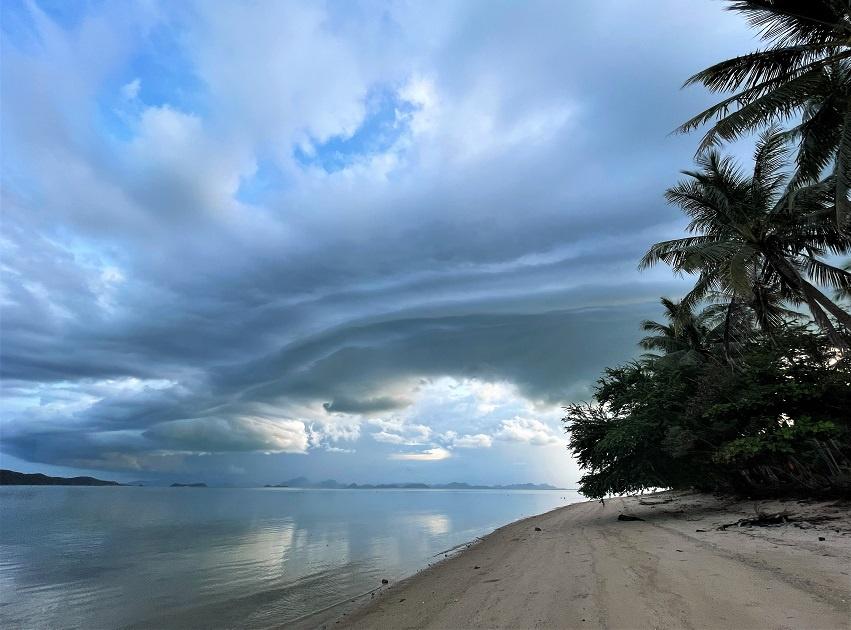
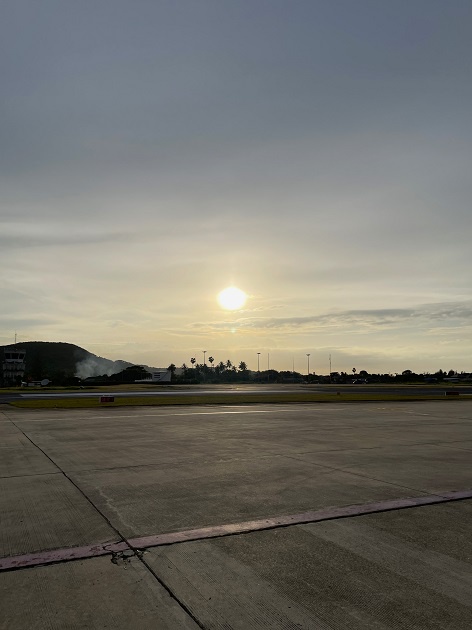
Oh yeah, here’s the touch of the inevitable personal story. I arrived from Phuket with an explosive mental breakdown, which turned into a deep depression. Even though my first few weeks on Samui were crap AF, I’m still grateful I didn’t have to fight this battle against my own mind in Phuket.
Guys, depression is real. And it can come in any form and at the most unexpected moments. Also, as I have experienced in my own case, you can still pretend to be fine and funny on the outside (social media is extremely toxic from this perspective) while completely broken and mental inside. I honestly don’t want to undergo what it is like in a really dark state; this time was a huge wake-up call for me. What I can recommend is to check on yourself (the short dark states are warnings, so don’t ignore them) and check on the people you care about – or even on a stranger if they reach out, because sometimes you don’t know from who or how to ask for help, so you just grab the first person you see.
 The Flux in PARADISE
Comment